Stolen Phones Used to Drain Mobile Wallets, Take Loans in Victims’ Names

Collected Photo
Criminal gangs in Bangladesh are increasingly targeting stolen and snatched mobile phones to withdraw money from mobile financial service (MFS) accounts and even take loans in victims’ names. They are also using phishing links to gain control of devices and access personal information.
Several victims have reported losing money from bKash accounts despite having phone locks and taking steps to suspend transactions after their devices were stolen.
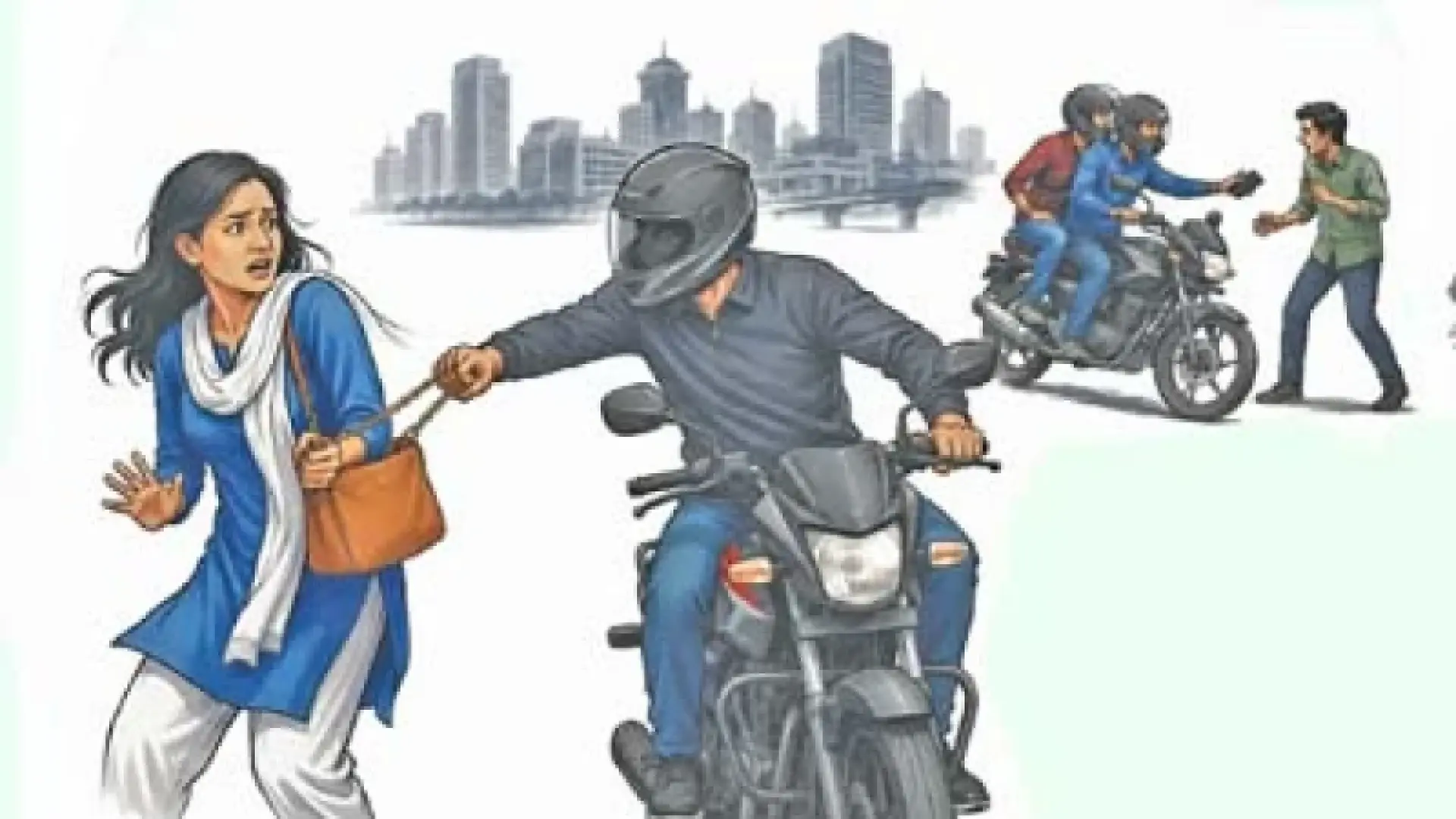
One such victim, identified by the pseudonym Hasib, works at a private company in Dhaka’s Gulshan area. His phone was stolen from his pocket while he was travelling to work in Gulshan-1.
About an hour and a half after the incident, he contacted bKash’s call centre from another number and requested that transactions on his account be suspended. The call centre informed him that the account had been temporarily blocked.
Hasib recovered his SIM card two days later and contacted the call centre again. He was surprised to learn that the account had already been reactivated a day earlier, despite him not making such a request.
After creating a new PIN, he found that Tk 85,115 had been withdrawn through several transactions, including money transfers, cash-outs and mobile recharges.
Hasib told on November 11 that his phone had a screen lock and his bKash app was protected by a PIN. He questioned how the money could have been withdrawn after he had requested the account suspension.
bKash and Bangladesh Bank respond
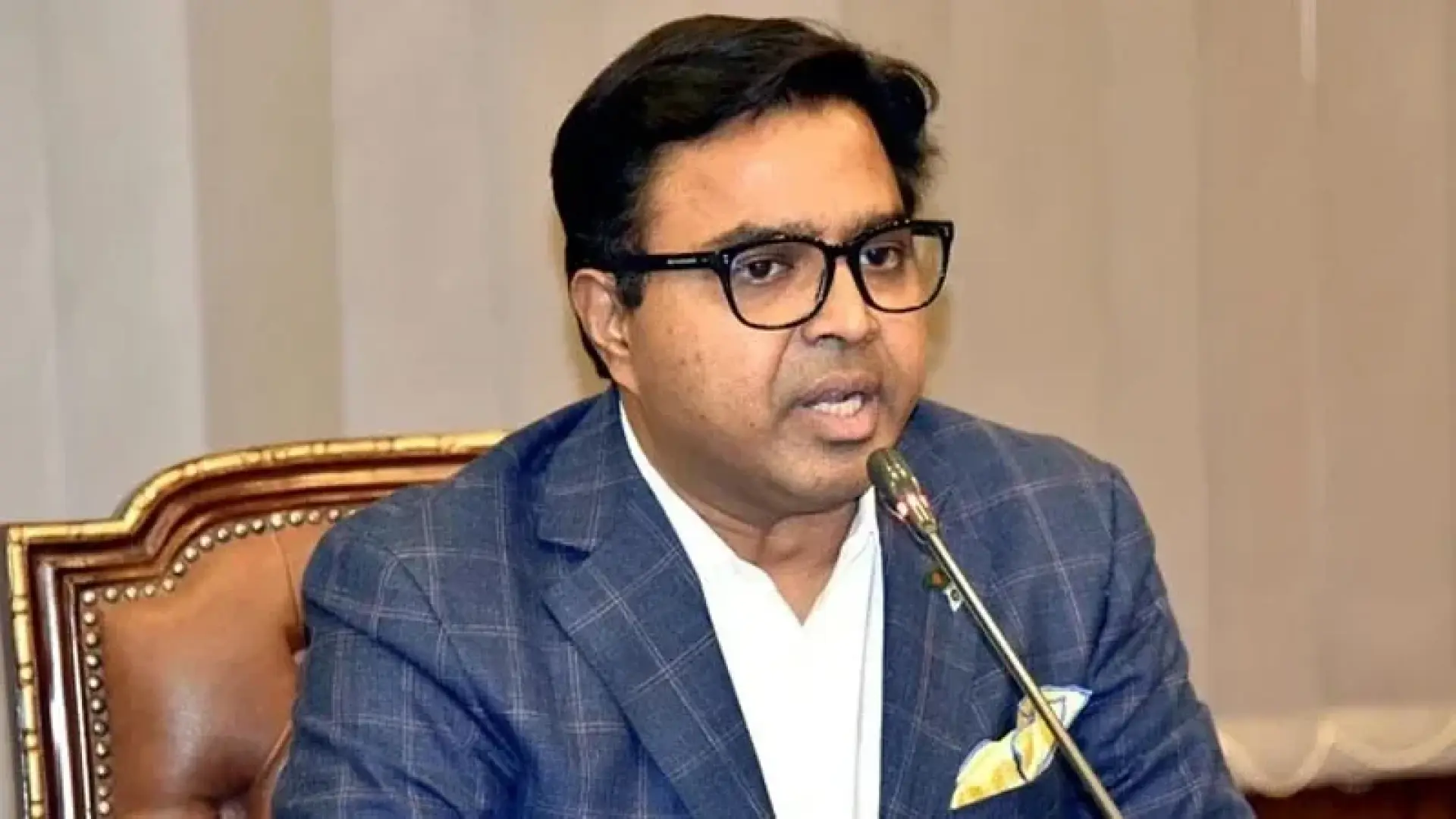
bKash Head of Corporate Communications Shamsuddin Haider Dalim told on November 17 that customers must complete several stages of identity verification before a suspended account can be reactivated.
Customers must call from the number registered with their bKash account, provide the number previously used to request suspension, verify their National Identity Card information and correctly answer questions about recent transactions.
He said an account is reactivated only after the information is successfully verified. He also urged customers to protect their personal information and promptly block their SIM cards if their phones are lost or stolen.
Bangladesh Bank spokesperson Arif Hossain Khan said the central bank had not yet received complaints of this nature. However, he said the regulator regularly inspects MFS providers and would direct them to examine possible technical weaknesses if such complaints were received.
He urged MFS providers to strengthen their systems.
Victim loses money and loan proceeds
Another victim, identified as Kamal, a doctor at a hospital in Dhaka, lost his phone while travelling by bus to work in Shyamoli last month.
After recovering his SIM card and reinstalling the bKash app, he discovered that Tk 7,000 had been withdrawn from his account. Criminals had also allegedly taken a loan of Tk 35,000 in his name and misappropriated the money.
An official involved in the investigation by the Dhaka Metropolitan Police’s Detective Branch (DB) Cyber and Special Crime Division said the phone had been unlocked when it was snatched. As a result, the gang managed to transfer money within the first 10 minutes.
The phone also had Google's automatic password-saving feature enabled. Investigators are examining information about the numbers used to transfer the money, but no one had been identified at the time of the report.
According to the DMP Cyber Support Centre, nearly 2,000 complaints were filed between the beginning of the year and October 19. Around 23 per cent of them concerned lost mobile phones.
Phishing links used after money is stolen
A university student, identified by the pseudonym Beli, had her iPhone stolen while travelling by bus in Dhaka’s Demra area on October 5.
After recovering her SIM card, she found that Tk 110,000 had been withdrawn from her bKash account. Transactions began around two hours after the phone was stolen.
The gang allegedly used the account for money transfers, payments and mobile recharges. They also attempted to interfere with her Apple ID and sent her a phishing link designed to resemble Apple's Find My service.
A gang member later contacted her through WhatsApp, pressuring and threatening her to open the link. She did not provide any information through it and subsequently filed a case.
The DB Cyber and Special Crime Division arrested six people in connection with the case. Four were identified as members of a stolen-phone gang, while the other two were traced through the transactions involving the misappropriated money.
Investigators said the gang had changed the PIN of Beli's bKash account after unlocking her iPhone. They also allegedly broke a deposit scheme worth around Tk 100,000 and transferred the money to accounts and numbers associated with online gambling sites. Some of the money was withdrawn through local shops.
Investigators have yet to establish exactly how the gang changed the account PIN.
Stolen phones allegedly smuggled abroad
DB officials said stolen phones were often transferred to specific criminal networks. After victims recovered their SIM cards, the gangs sent fake links resembling Apple's Find My service.
According to investigators, victims who entered their Apple IDs and passwords through those links allowed criminals to change their phone locks and take control of the devices.
The officials alleged that the phones were subsequently smuggled to different countries, including Dubai and India. Stolen phones were also reportedly brought into Bangladesh from India and sold locally.
How to protect yourself
Cybersecurity expert Abdullah Al Jaber advised users to use strong phone locks and separate, confidential PINs for MFS accounts. He warned against sharing PINs or one-time passwords (OTPs) and urged users to be careful about storing financial information on their phones.
He also recommended immediately blocking the SIM card and suspending MFS transactions if a phone is lost or stolen.
Syed Harun Or Rashid, joint commissioner of the DMP's DB Cyber Security and Support Centre (South Division), said awareness was essential to preventing such crimes. He urged victims to contact the Cyber Support Centre for immediate legal assistance and help identifying the perpetrators.
Police officials also advised users to enable fingerprint or face locks on their phones and separate locks for financial apps. They cautioned against automatically saving passwords on devices.