Over Half of Diabetes Patients in Bangladesh Remain Undiagnosed

Collected Photo
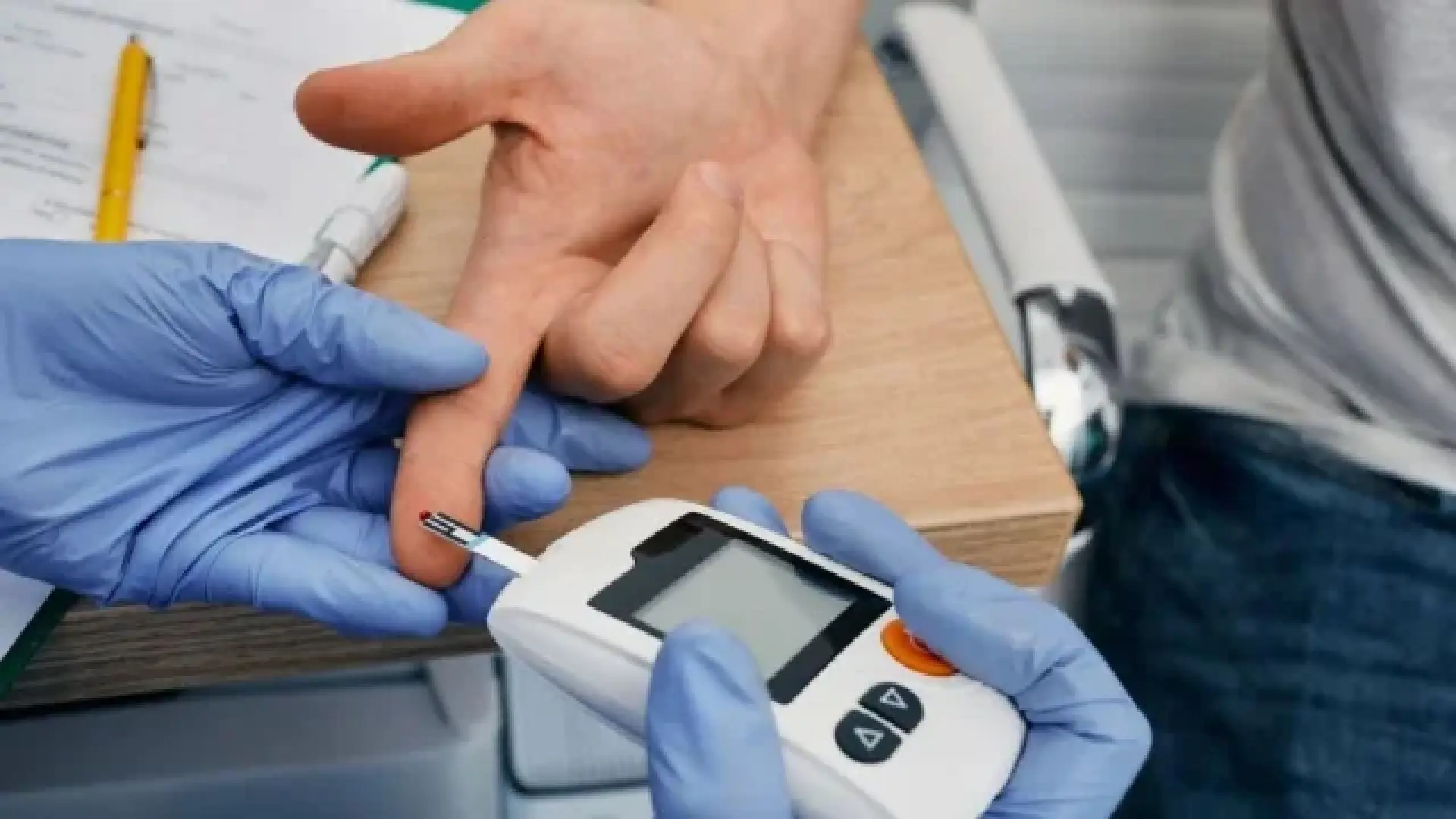
More than half of people living with diabetes in Bangladesh are unaware of their condition, while the country ranks seventh globally in terms of the number of diabetes patients. Late diagnosis is exposing many to serious health complications, including heart disease, stroke, kidney failure, blindness and limb loss.
According to the International Diabetes Federation (IDF), an estimated 13.9 million people aged 20 to 79 were living with diabetes in Bangladesh in 2024.
Speaking on the occasion of World Diabetes Day on November 14, Bangladesh Diabetic Association (BADA) President Professor AK Azad Khan said at least 50% of people with diabetes in the country do not know they have the disease. Lack of awareness and failure to undergo regular health check-ups are leaving many cases undiagnosed.
This year's World Diabetes Day theme is “Diabetes: No delays, act now.” The day is observed globally to raise awareness about the disease.
Diabetes cases rise by 5.47 million in 13 years
According to the 11th edition of the IDF Diabetes Atlas 2025, an estimated 13,877,400 people aged 20 to 79 in Bangladesh had diabetes in 2024, placing the country seventh worldwide.
The number stood at 8,405,600 in 2011, indicating an increase of approximately 5.472 million over 13 years. The age-adjusted prevalence also rose from 10.5% in 2011 to 13.2% in 2024.
Globally, around 589 million people aged 20 to 79 were living with diabetes in 2024, or one in every nine adults. The IDF projects that the number could reach approximately 850 million by 2050.
China has the highest number of diabetes patients, followed by India, the United States, Pakistan and Indonesia.
Gestational diabetes doubles in a decade
Professor Azad Khan said diabetes among women is increasing at an alarming rate. Gestational diabetes, in particular, poses long-term health risks to both mothers and their unborn children.
He said the prevalence of gestational diabetes in Bangladesh has doubled from 10% a decade ago to 20% now. The rate in South Asia is 25%, while the global prevalence ranges from 1% to 28%.
Experts warn that uncontrolled gestational diabetes increases the risk of mothers and children developing Type 2 diabetes later in life. Planned pregnancies, regular tests during pregnancy and proper blood sugar management can help reduce these risks.
Lifestyle changes essential
Experts identify unhealthy eating habits, excessive consumption of fast food and fatty foods, physical inactivity, lack of exercise and excess body weight as major risk factors for diabetes. A family history of the disease may further increase the risk.
They recommend regular physical activity, a balanced diet, limiting excessive calorie and sugar intake, maintaining a healthy weight and reducing mental stress. Regular blood sugar monitoring, as advised by doctors, is also important.
Experts have recommended that children whose parents have diabetes undergo regular health check-ups, with blood sugar tests at least twice a year.
Professor Azad Khan said a large proportion of Type 2 diabetes cases could be prevented through lifestyle changes. He stressed regular walking, moderate eating habits and early diagnosis. He added that BADA currently provides services to approximately 50% of diabetes patients in the country.
Treatment costs a major obstacle
Treatment expenses are emerging as a major barrier for people trying to manage diabetes. Even at the pre-diabetes stage, tests, doctors' fees, medicines and transportation can create a substantial financial burden.
According to information provided by patients, these expenses can account for up to approximately 30% at the pre-diabetes stage. When the disease progresses to complications, the figure can rise to as much as 80%.
Experts say early diagnosis and proper management can prevent complications and significantly reduce long-term treatment costs.
IDF sets five targets for 2030
The International Diabetes Federation has outlined five global targets to improve diabetes prevention and management by 2030:
- Ensure that 80% of people with diabetes are diagnosed.
- Keep blood sugar levels under control in 80% of patients.
- Ensure controlled blood pressure in 80% of patients.
- Ensure that 60% of diabetes patients aged over 40 receive statin medication.
- Ensure access to insulin and other necessary services for 100% of people with Type 1 diabetes.
To mark World Diabetes Day, BADA has arranged several programmes. A rally is scheduled to begin at 8:30am on November 14 from the car parking area of BIRDEM in Shahbag and proceed to the gate of the Tennis Club.
A discussion and consultation session involving specialist doctors and patients will be held at 10am, followed by another discussion meeting at 12:30pm.