Home
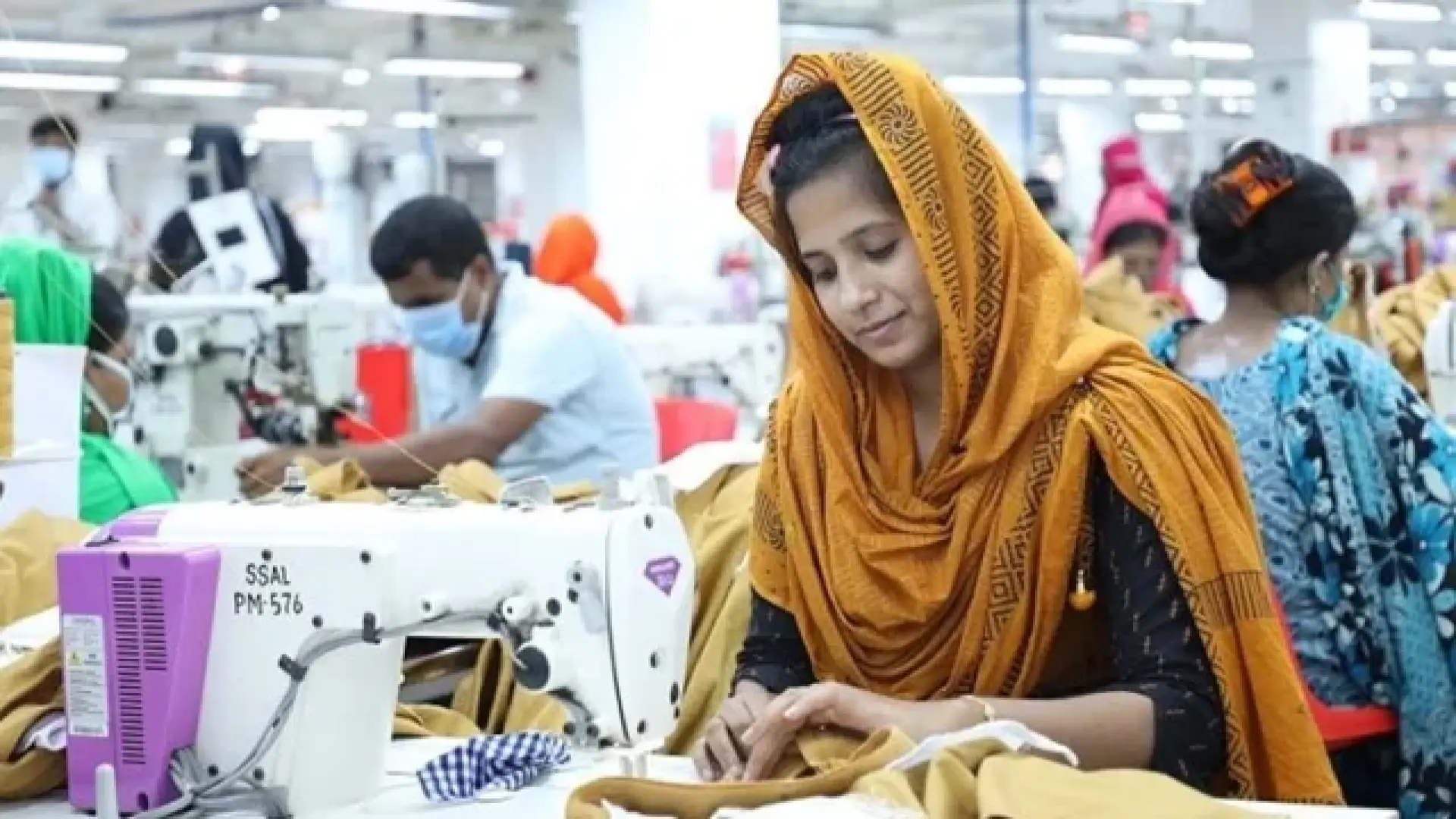
Garment factory owners in Bangladesh are likely to propose a minimum monthly wage of around Tk 15,000 for workers at the upcoming meeting of the Minimum Wage Board, significantly below the workers’ demand of Tk 32,000.
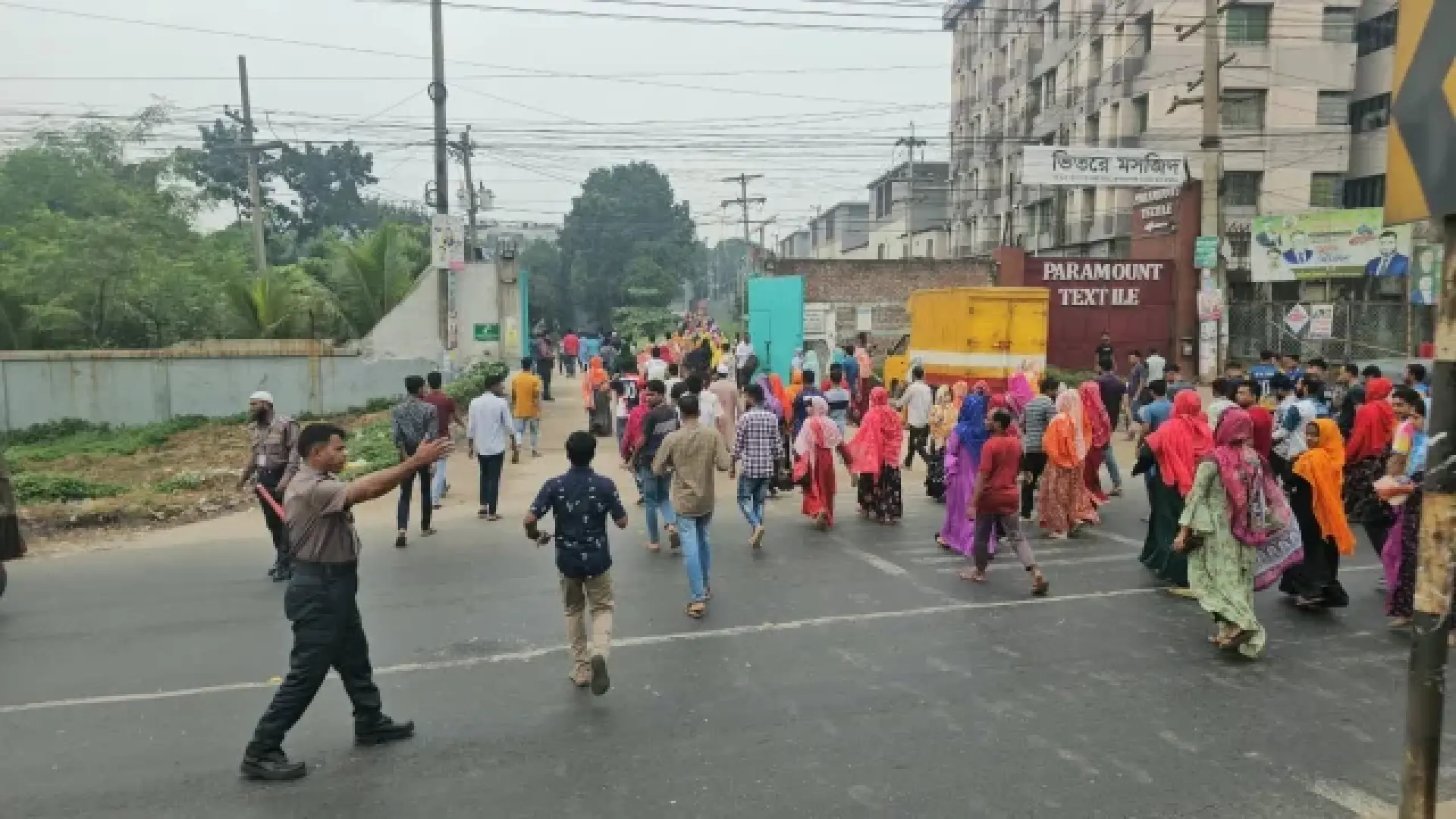
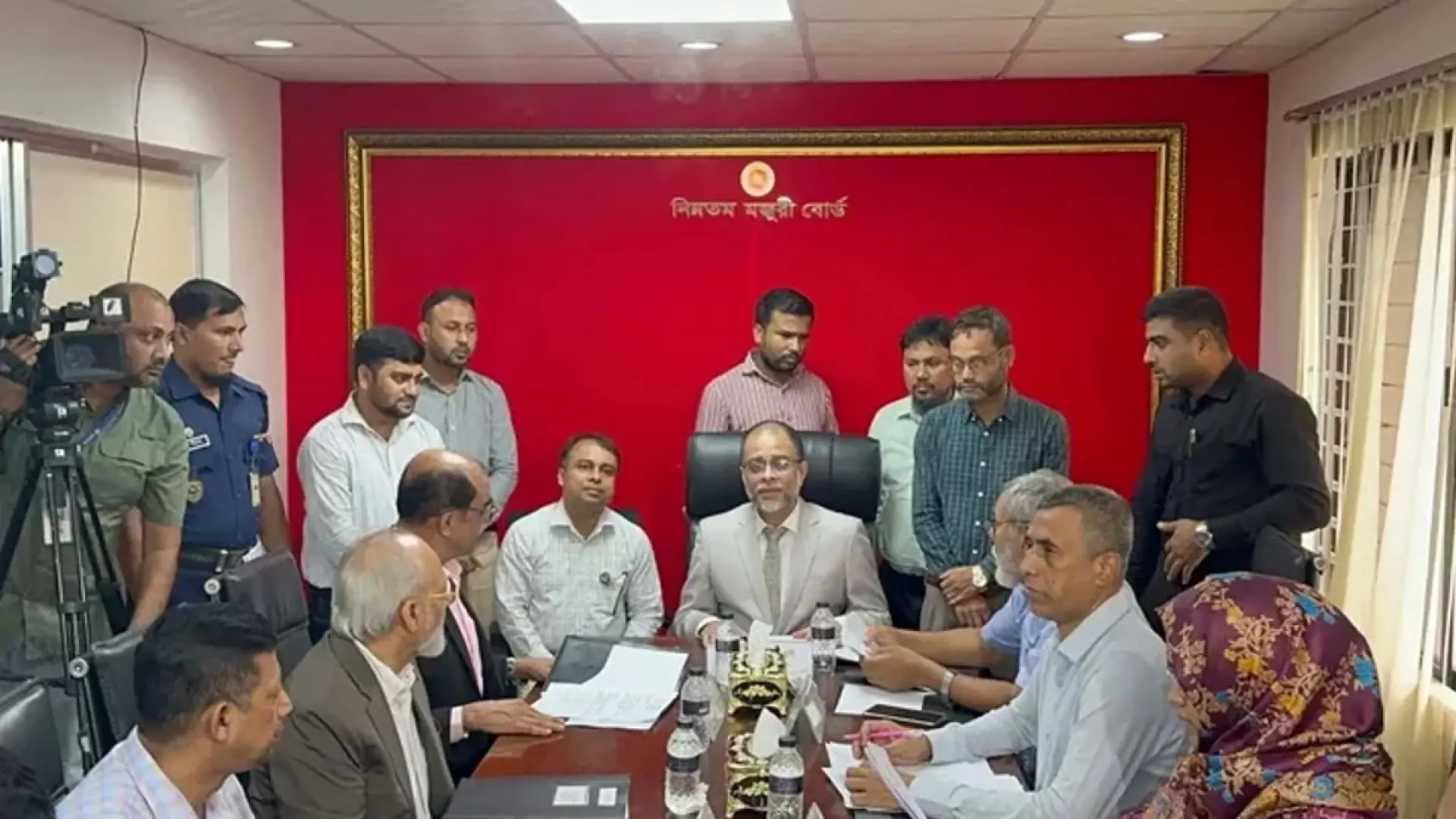
The board’s third meeting is scheduled for Monday, November 16, amid ongoing protests by garment workers demanding higher wages. The owners’ representatives are expected to submit their proposal at the meeting.
Leaders of the Bangladesh Garment Manufacturers and Exporters Association (BGMEA) and the Bangladesh Knitwear Manufacturers and Exporters Association (BKMEA) indicated that factory owners may initially offer a lower figure, following a strategy adopted in previous wage negotiations.
In the last five wage boards, owners proposed half or less than half of the amount demanded by workers. Such offers repeatedly triggered dissatisfaction and protests, eventually leading to higher wage proposals through negotiations.
The current minimum monthly wage for garment workers is Tk 12,500, which came into effect on December 1, 2023. The government has amended the Labour Act, reducing the interval for wage revision from five years to three years. Under the revised schedule, the new wage structure is expected to take effect from December this year.
According to information updated by Swedish clothing retailer H&M Group in March, garment workers in seven countries—China, Cambodia, Indonesia, Vietnam, Pakistan, India and Turkey—receive higher minimum wages than their counterparts in Bangladesh.
The H&M data puts Bangladesh’s minimum garment wage at $102 per month, compared with $124 in India, $294 in China, $208 in Cambodia, $172 in Indonesia, $163 in Vietnam and $135 in Pakistan.
At the previous wage board in 2023, workers had demanded a minimum monthly wage of Tk 20,393, while owners initially proposed Tk 10,400. Protests spread across Mirpur, Narayanganj, Savar-Ashulia and Gazipur after the proposal.
Four garment workers—Russel Howlader, Imran, Jalal Uddin and Anjuara Khatun—died during the three-week protests. Factory owners shut down 200 factories in an attempt to bring the situation under control. Following the protests, owners raised their initial proposal by Tk 2,100 to Tk 12,500, which was eventually approved.
The current wage board was formed on November 1 following workers’ protests that began last month. At its second meeting last Monday, the workers’ representative proposed a minimum wage of Tk 32,000.
Sources said factory owners finalised their proposal last week. BGMEA President Mahmud Hasan Khan also held a meeting with several former presidents of the association on Wednesday to seek their support.
At a joint discussion between BGMEA and BKMEA on Saturday, most factory owners said they could afford a minimum wage of Tk 14,000. They argued that higher wages would make it difficult to operate factories, as buyers do not necessarily increase garment prices when workers’ wages rise.
Several BGMEA leaders, speaking on condition of anonymity, said the association was likely to propose a figure around Tk 15,000 initially, with room for an increase through negotiations. Owners may also seek government support to manage the additional costs.
BGMEA President Mahmud Hasan Khan confirmed that the owners would submit their wage proposal at Monday’s board meeting. However, he declined to disclose the proposed amount.