Home
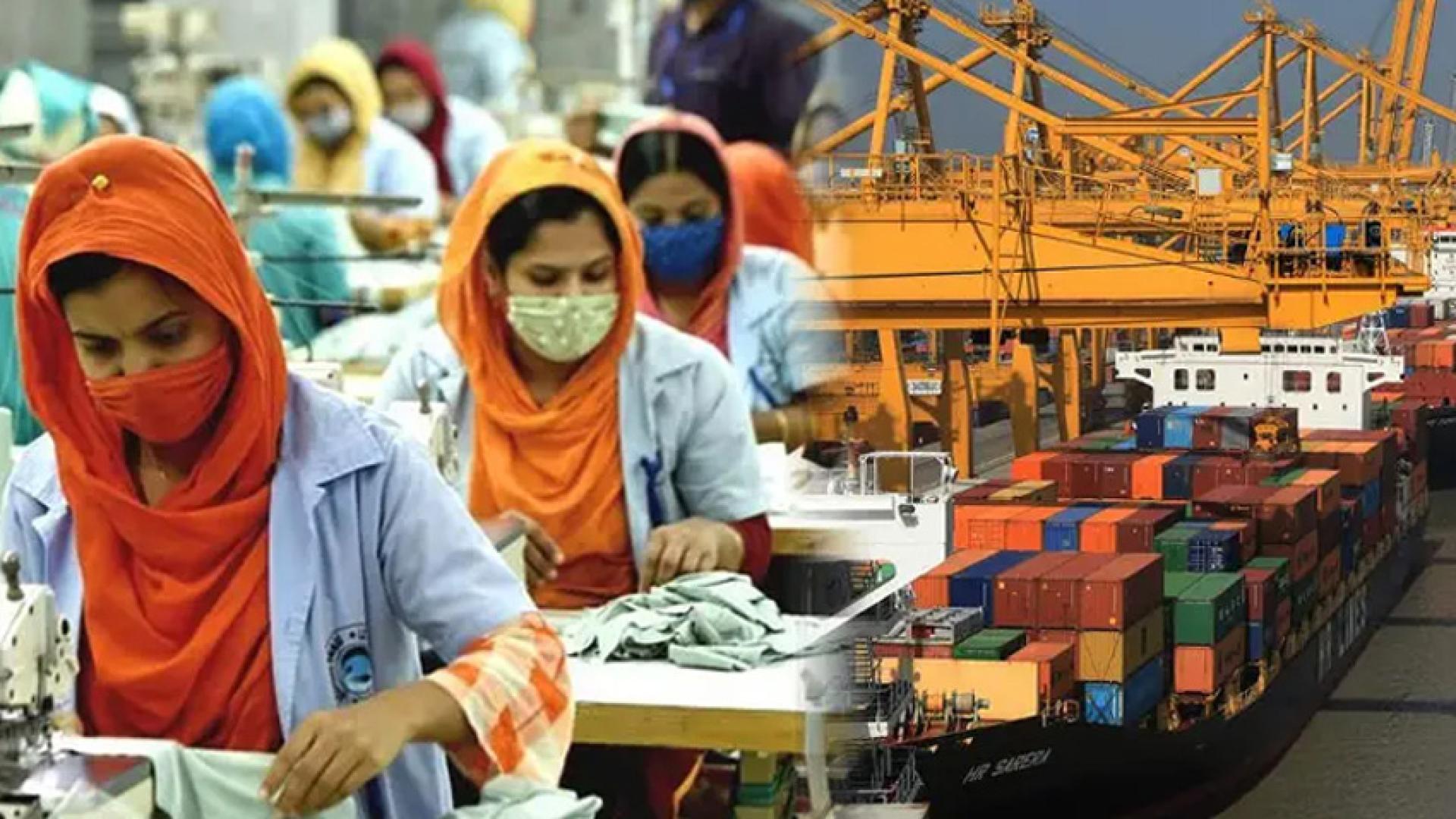
Bangladesh's readymade garment (RMG) industry is facing mounting pressure as foreign buyers shift orders to competing countries, including India, Vietnam, Pakistan and Sri Lanka, amid labour unrest, factory closures and shipment delays.
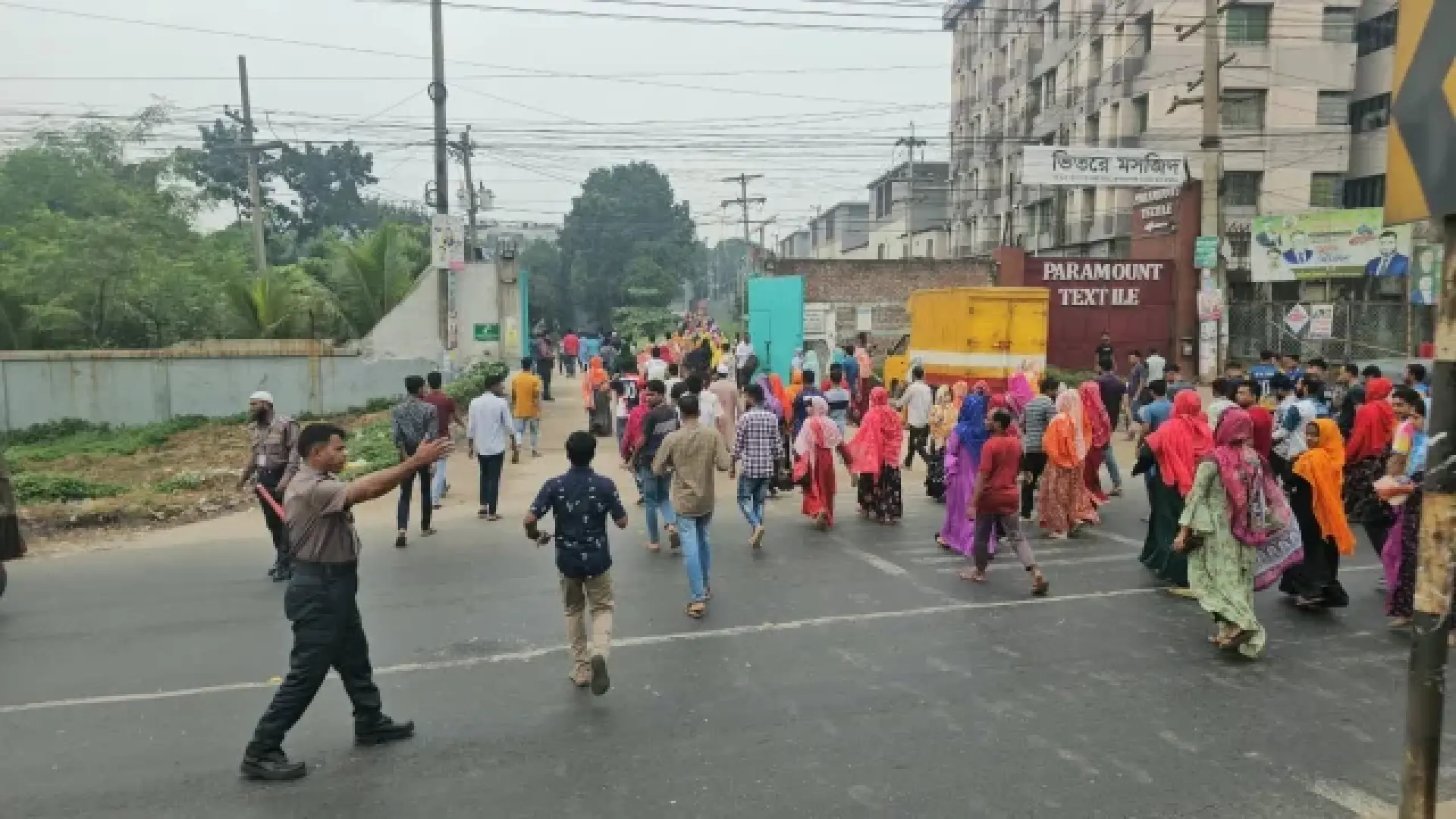
The country's garment sector has built international buyers' confidence over four decades through competitive prices, quality products and timely deliveries. However, recent wage-related protests, factory shutdowns, road blockades and vandalism have raised concerns among international brands about the reliability of sourcing from Bangladesh.
According to information from the Bangladesh Garment Manufacturers and Exporters Association (BGMEA) and the Bangladesh Knitwear Manufacturers and Exporters Association (BKMEA), several major buyers have moved orders elsewhere over the past three weeks.
Swedish retail giant H&M is reportedly considering reducing orders for the next two months. Its Bangladesh office has reportedly informed factory owners that new orders would depend on the situation stabilising.
A representative of a major German brand, speaking on condition of anonymity, said 12 shipments had been held up since October 29 because of factory closures. The company subsequently placed orders in Vietnam to ensure timely delivery of Christmas products.
An American buyer has also reportedly instructed its sourcing team to reduce dependence on Bangladesh by 30%.
Why are buyers shifting orders?
Industry sources point to three major reasons behind the shift.
The first is delayed delivery. Hundreds of shipments have reportedly been held up since October 29 due to factory closures in Gazipur, Ashulia and Savar. Between 679 and 690 factories were closed on a single day, according to the report.
The second is damage to Bangladesh's image as a reliable sourcing destination. Reports and images of vandalism and arson at factories have raised concerns among international buyers about business continuity and workplace safety.
The third factor is pricing. Bangladesh's average garment export price to Europe stands at €13.76 per kilogram, compared with the global average of €19.84. Buyers say that although Bangladeshi products are cheaper, timely delivery has become a concern. They are increasingly considering Vietnam, where prices are slightly higher but deliveries are more dependable.
India and Vietnam gain from the situation
India and Vietnam are emerging as major beneficiaries of the disruption.
In India's Tiruppur, a major knitwear manufacturing hub in Tamil Nadu, new orders worth more than Rs 450 crore reportedly arrived within two weeks. Factories in Noida, Uttar Pradesh, have also received additional orders.
Vietnam's garment exports to the European Union increased by 4.46% to €2.99 billion between January and August 2026, according to Eurostat data cited in the report. In contrast, Bangladesh's exports declined by 11.67% to €11.93 billion during the same period.
Pakistan has reportedly received additional denim orders, while Sri Lanka has seen an increase in orders for lingerie.
Financial losses and pressure on factories
According to BGMEA estimates cited in the report, the industry suffered direct losses of more than $140 million over the past two weeks.
Industry insiders warn that the longer-term impact could be greater because losing a buyer may also mean losing future orders.
Small and medium-sized factories are particularly vulnerable. Bangladesh has around 4,000 garment factories, including approximately 1,000 small units. Factory owners fear that smaller businesses could be forced to shut down if they fail to secure orders for even a month.
Workers caught between wages and job security
The disruption has also created uncertainty among garment workers, many of whom had been demanding a monthly minimum wage of Tk 30,000.
A worker named Rina Begum, employed at a factory in Mirpur, said overtime work had stopped and management had cited a shortage of orders. Another worker said the current wage of Tk 12,500 was insufficient to support a family.
Workers now face the possibility of losing their jobs as factories struggle with declining orders.
BGMEA calls for an end to unrest
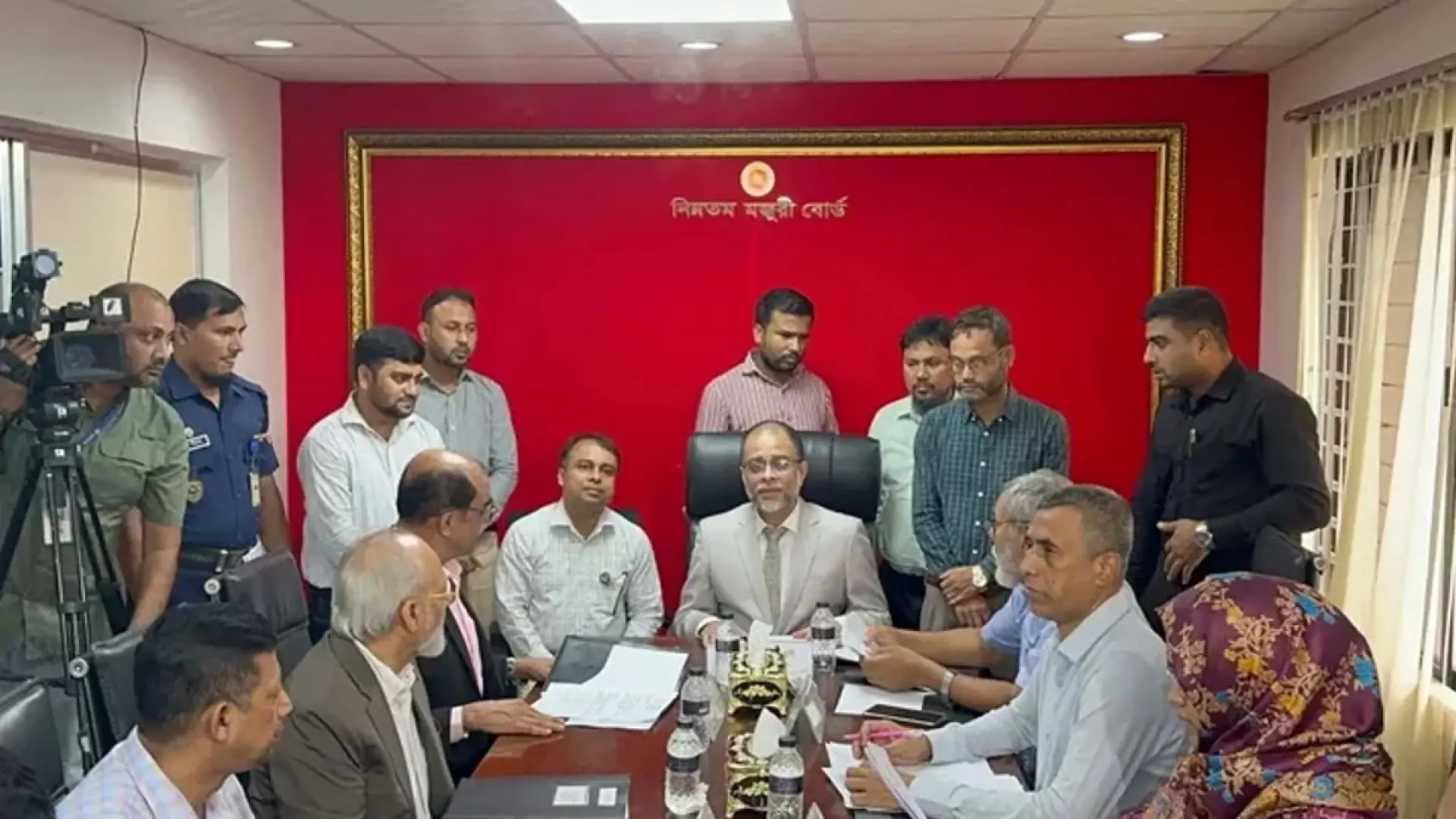
BGMEA President Mahmud Hasan Khan said the government had formed a wage board three years after the previous process and that two meetings had already been held. He questioned why protests were continuing while wage discussions were underway.
He said factory owners were monitoring the situation and would consider a tougher position if conditions did not improve. An emergency general meeting was scheduled for Saturday to discuss factory closures under Section 13(1), the wage proposal and participation in wage-board discussions.
He also acknowledged that foreign buyers had expressed concern and that some were moving orders to other countries.
ABM Shamsuddin Chowdhury, the employers' representative on the wage board, said BGMEA would finalise its wage proposal after consulting member factory owners.
He said unrest had disrupted production during the peak buying season ahead of Christmas, making it difficult for factories to meet delivery deadlines.
Economists urge coordinated action
Economists have called for a swift resolution of the wage dispute, reassurance to foreign buyers and improved law and order.
Economist Dr Khondaker Golam Moazzem Hossain said the achievements of Bangladesh's garment industry over four decades should not be put at risk. He called for employers, workers and the government to sit together to reach a solution that ensures fair wages, factory orders and export earnings.
Labour leaders have also called for an end to vandalism and attacks on factories, while stressing the need for wages that allow workers to meet their living expenses.
Meanwhile, the government has introduced a special Open Market Sale (OMS) programme for garment workers. Under the scheme, each worker can buy up to 10 kilograms of rice per month at Tk 30 per kilogram. Sales are scheduled every Friday.
The growing crisis has placed Bangladesh's garment industry at a critical juncture, with workers' wage demands, factory operations and international buyers' confidence all at stake.