Home
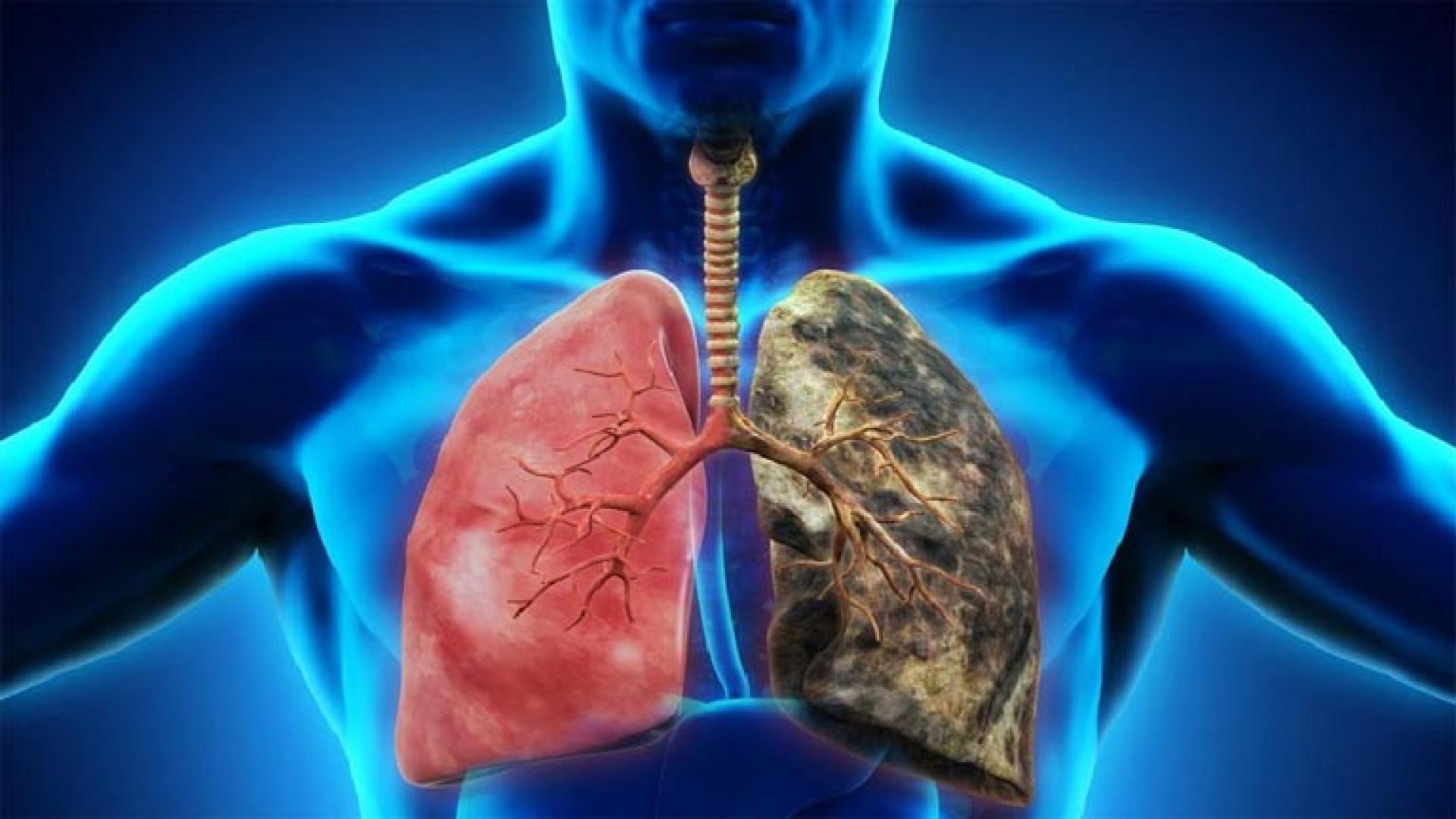
Avoiding cigarettes does not guarantee healthy lungs. Second-hand smoke, outdoor air pollution and indoor pollutants can also harm the respiratory system, putting even non-smokers at risk of breathing difficulties, asthma, heart disease and lung diseases.
According to a report published by Dhaka Post on November 11, people who have never smoked may still inhale harmful substances every day. Long-term exposure to these pollutants can negatively affect respiratory health.
Here are five ways non-smokers can reduce their exposure to harmful substances and protect their lungs.
1. Do not underestimate second-hand smoke
Second-hand smoke is a major concern even for people who have never smoked. Sitting near someone smoking cigarettes, hookah or other tobacco products can expose non-smokers to harmful substances.
The risk is not limited to crowded public places. Exposure can also occur inside homes, offices and cars. Keeping indoor spaces completely smoke-free is therefore essential, particularly in enclosed areas where smoke can linger.
2. Opening windows does not eliminate tobacco smoke
Many people believe that opening windows or turning on fans makes a room safe after someone has smoked inside. However, ventilation cannot completely remove harmful particles produced by burning tobacco.
Avoid staying in rooms where people are smoking. Instead of relying only on fresh air to clear the smoke, ensure that homes, workplaces and vehicles remain entirely smoke-free.
3. Check air quality before exercising outdoors
Walking or jogging in the morning can be a healthy habit. However, exercising outdoors when pollution levels are high can increase exposure to harmful particles.
Check the local Air Quality Index (AQI) before heading outside. When pollution levels are particularly high, avoid outdoor activities such as running, jogging and strenuous exercise. Consider exercising indoors instead.
4. Wear an N95 mask when pollution levels are high
When going outdoors cannot be avoided, wearing a properly fitted N95 mask can help reduce the amount of dust and fine particulate matter entering the respiratory system.
However, a mask alone should not be considered complete protection against air pollution.
5. Pay attention to indoor pollution and daily habits
Outdoor pollution is not the only threat to lung health. Burning incense and other indoor sources can also affect air quality.
Ensure adequate ventilation inside the home, drink plenty of water and maintain a balanced diet that includes fruits and vegetables.
These habits support overall health, but they cannot completely eliminate the long-term effects of exposure to smoke and pollution.
Protecting lung health requires daily attention, even for people who do not smoke. Avoiding cigarettes is important, but limiting exposure to polluted air and harmful indoor substances is equally necessary.