Home
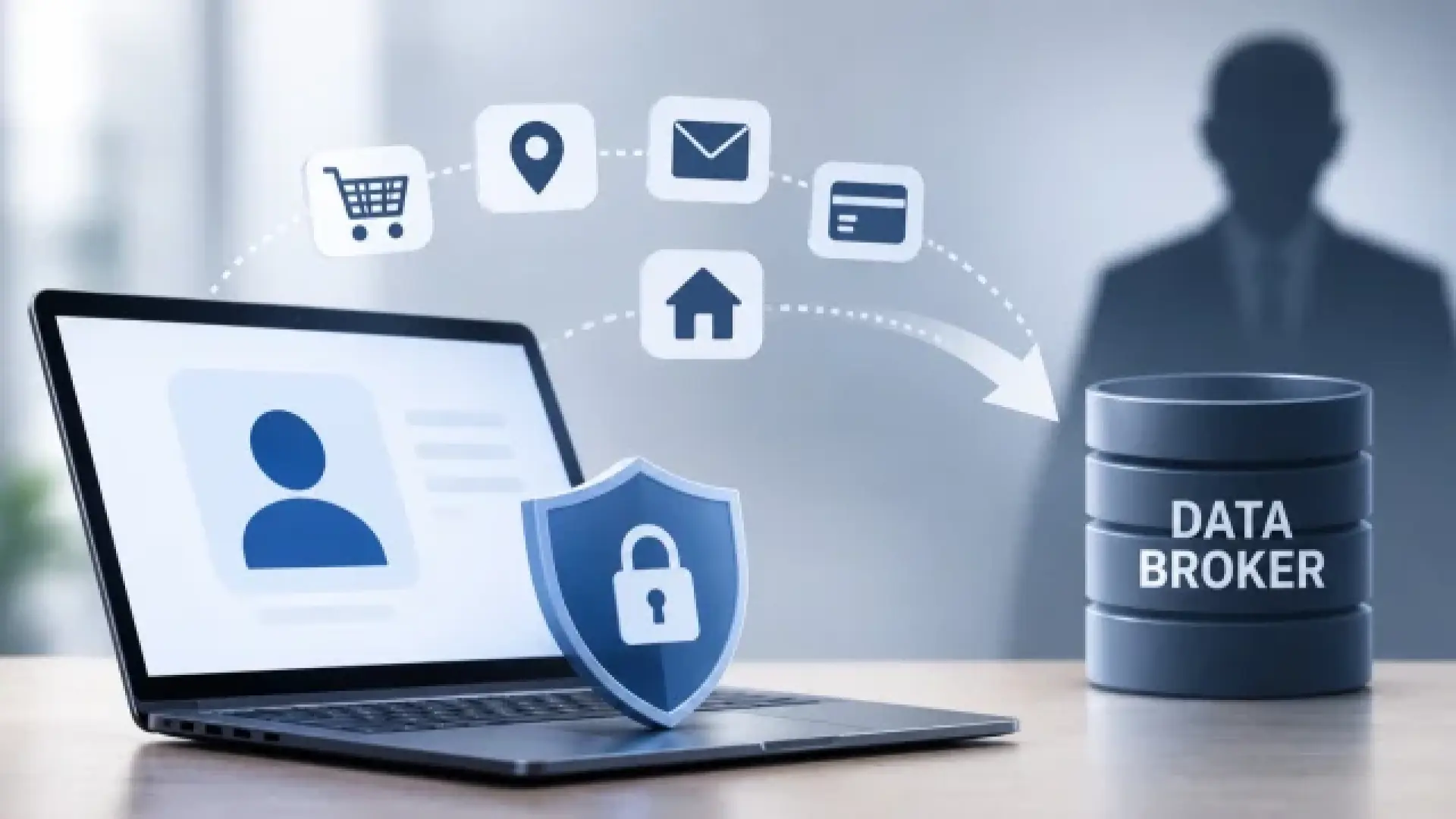
Every online activity leaves behind a trail of personal information. From online shopping and website browsing to using smartphone applications, users unknowingly share a wide range of data that can eventually become a valuable commodity.
Specialised companies known as data brokers collect personal information from various sources, analyse it and sell it to other businesses and organisations. Their activities have raised growing concerns about privacy, data security and individuals’ control over their own information.
How Data Brokers Collect Personal Information
Data brokers gather information from multiple sources, including websites, mobile applications, government records, retail loyalty programmes and third-party platforms.
The collected information may include names, phone numbers, email addresses, residential addresses, current locations, browsing histories, purchasing habits and publicly available social media activities.
Some data brokers focus on collecting personal and contact information, while others analyse online behaviour and consumer preferences for advertising and market research.
In many cases, information provided during online registration or while using digital services may also be shared with third parties without users fully understanding how it will be used.
Why Is Personal Data Being Sold?
The commercial use of personal information extends beyond targeted advertising.
Businesses can analyse collected data to gain insights into individuals’ financial capabilities, preferences, lifestyles and potential risks.
Such information may be used for loan and insurance assessments, identity verification, fraud detection and targeted political campaigns.
However, the growing data trade also creates significant risks.
When detailed personal information falls into the wrong hands, criminals can use it to launch targeted phishing attacks and other online scams.
A cyberattack on a data broker can also expose the personal information of millions of people at once, increasing the risks of identity theft, financial fraud and privacy violations.
How to Protect Your Personal Information
Although completely preventing data brokers from collecting information can be difficult, users can take several steps to reduce their digital footprint.
Limiting the amount of personal information shared on social media, avoiding unnecessary online quizzes and surveys, and restricting app permissions can help reduce unwanted data collection.
Users should regularly review privacy settings on their applications and disable unnecessary location access, personalised advertising and data-sharing permissions.
Using separate email addresses for online shopping and other digital services can also help limit exposure.
Deleting unused accounts and applications is another effective way to reduce the amount of personal information available online.
Before providing sensitive information to a website or service, users should verify its credibility and carefully review why the information is being requested.
Can Users Remove Their Data From Data Brokers?
Many data brokers provide opt-out forms through which individuals can request the removal of their personal information.
However, the process can be complicated because users may need to submit separate requests to different companies.
Regularly reviewing privacy settings and checking whether personal information is available through data broker databases can help users maintain greater control over their digital identities.
As online services continue to expand, protecting personal information has become an increasingly important part of digital security.