Home
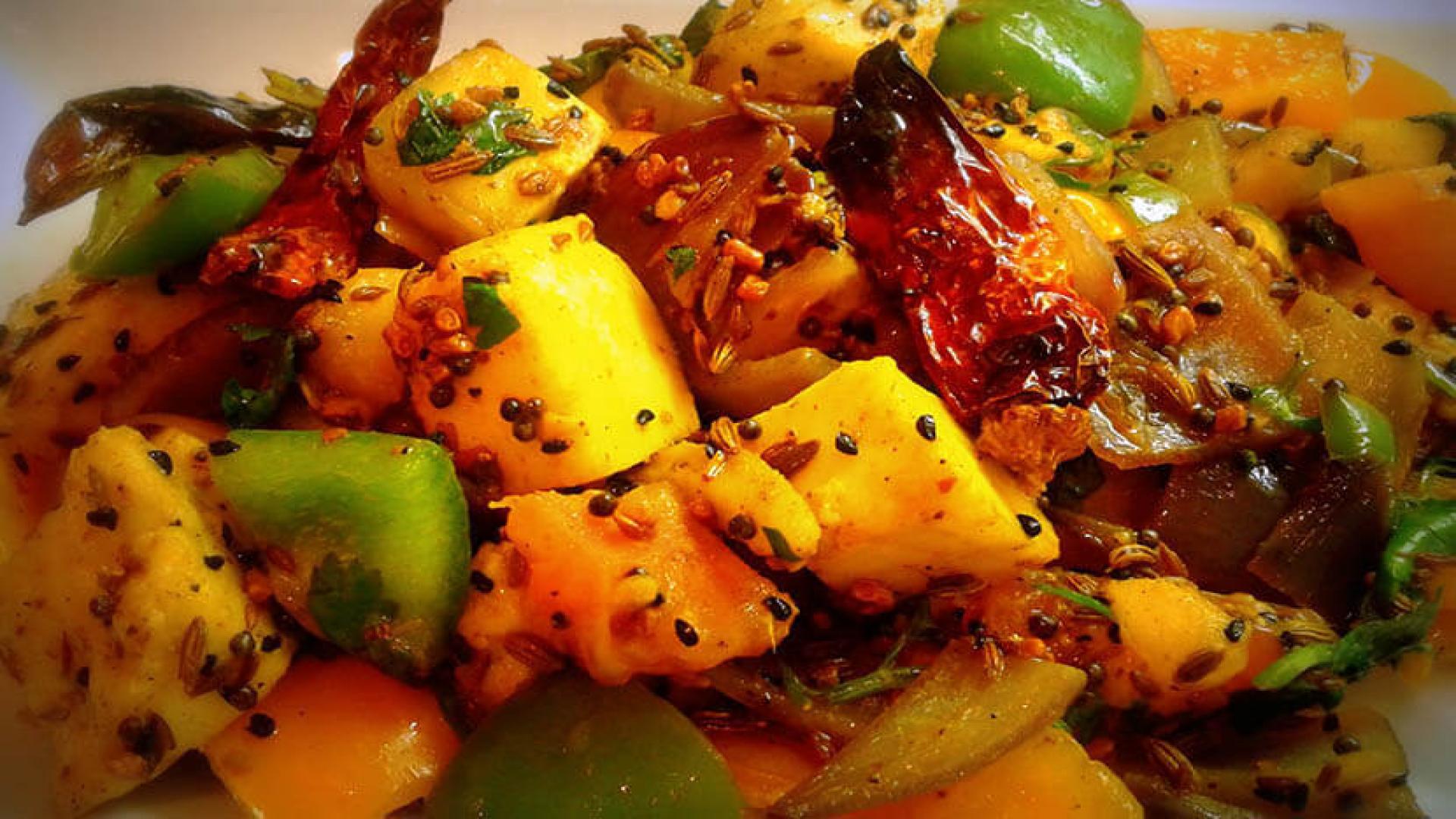
Vegetables are an important source of vitamins, minerals, dietary fibre and other essential nutrients. However, mistakes during washing, cutting, storing and cooking can reduce their nutritional value.
Nutritionist Lina Akter of Ryan Health Care Hospital and Research Centre in Dinajpur has highlighted eight common mistakes that can affect the nutrients in vegetables and explained how to avoid them.
1. Leaving the Cooking Pot Uncovered
Cooking vegetables over high heat without a lid for a long time can destroy some heat-sensitive vitamins. Keeping the pot covered while cooking with a small amount of water helps reduce cooking time and preserve nutrients.
2. Cutting Vegetables Too Early
Cutting vegetables long before cooking exposes them to air and light, which can reduce certain vitamins, particularly vitamin C. Vegetables should be washed properly and cut just before cooking.
3. Throwing Away Edible Leaves
Many people discard vegetable leaves and cook only the stems. However, leaves of vegetables such as red amaranth, Malabar spinach and radish contain vitamins, minerals and dietary fibre. Edible leaves should therefore be included in meals.
4. Boiling Vegetables for Too Long
Prolonged boiling can destroy some vitamins due to heat. It can also cause water-soluble vitamins to leach into the cooking water. Vegetables should be cooked only for the time needed rather than until they become excessively soft.
5. Discarding the Boiling Water
Some water-soluble nutrients, including vitamins B and C, dissolve into water during boiling. Throwing that water away means losing part of the nutrients. Where possible, the water can be reused in soups or curries.
6. Assuming Three Washes Are Enough
Washing vegetables three times does not necessarily remove all dirt and chemical residues. They should be rubbed and rinsed thoroughly under clean running water. Leafy vegetables should be washed leaf by leaf. There is no reliable evidence that using rice water or salt water removes chemical residues.
7. Improper Storage
Leaving vegetables at room temperature for extended periods can gradually reduce some of their vitamin content. They should be eaten as fresh as possible or stored in a refrigerator at an appropriate temperature when keeping them for longer.
8. Using Too Much Water for Boiling
Boiling vegetables in excessive water can cause water-soluble vitamins to leach out. Steaming reduces contact with water and can help retain more vitamins and minerals. It is therefore a useful cooking method for preserving nutrients.
How to Preserve Nutrients
Choosing fresh vegetables, washing them thoroughly before cooking, cutting them just before use and avoiding unnecessarily long cooking times can help preserve their nutritional value.
Using less water and choosing steaming or cooking with a small amount of water are also recommended.
The recommendations were provided by nutritionist Lina Akter of Ryan Health Care Hospital and Research Centre in Dinajpur.