Former Delhi Police Chief Recalls India Team’s Secret Dhaka Dinner

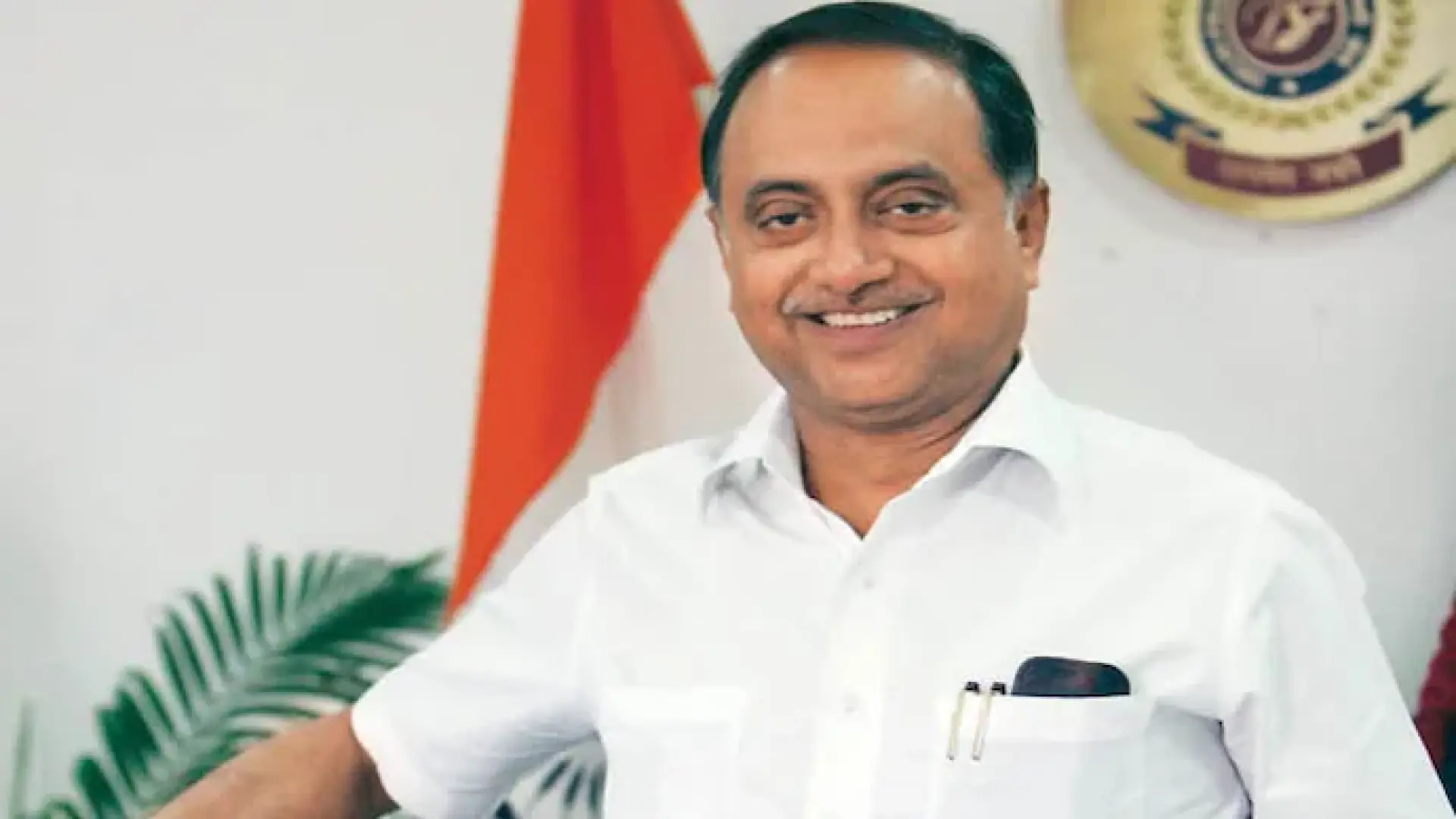
Neeraj Kumar, a former Delhi Police Commissioner
A cramped room at a five-star hotel in Dhaka, a group of Indian cricketers sitting close together on the floor and beds, and plates of food secretly brought in from outside the hotel. This was how members of the Indian cricket team enjoyed a late-night meal during their Bangladesh tour in June 2015.
Among them was Neeraj Kumar, a former Delhi Police Commissioner who had joined the Board of Control for Cricket in India (BCCI) as the head of its Anti-Corruption Unit (ACU) just days before the tour. He recalled the unusual dinner in his book A Cop in Cricket.
Kumar, a 1976-batch Indian Police Service officer, retired after 37 years in the police force. During his 13 months as Delhi Police Commissioner, he handled two high-profile cases that remained closely associated with his career: the 2012 Nirbhaya gang-rape case and the 2013 Indian Premier League (IPL) spot-fixing investigation.
In the Nirbhaya case, he faced public pressure and calls for his resignation amid protests in Delhi. The police filed a chargesheet within 10 days, and the trial was completed in record time.
The IPL spot-fixing investigation involved three Rajasthan Royals players — S Sreesanth, Ajit Chandila and Ankeet Chavan. After a three-month operation, Delhi Police arrested 36 people. Investigators relied on telephone conversations and television footage as evidence. However, two years later, a court acquitted everyone, citing major gaps in Indian law concerning match-fixing and spot-fixing.
Kumar has written three books: Dial D for Don, Khaki Files and A Cop in Cricket. The Dhaka dinner story appears in the last one.
In April 2015, Anurag Thakur, then BCCI secretary, contacted Kumar and offered him the position of ACU chief. Kumar was enjoying retirement and initially had reservations about leaving Delhi for Mumbai. Thakur assured him that he could continue working from Delhi. Kumar eventually agreed and joined the BCCI on June 1.
He later wrote that he had no idea what lay ahead when he entered the BCCI. He began the job with only two colleagues, despite being tasked with work that involved monitoring a police force of 85,000 personnel. He also said the office space assigned to his unit was taken away after some time without even informing him.
A major part of the ACU chief’s responsibility was to stay close to players, prevent bookmakers and fixers from entering dressing rooms, collect players’ mobile phones and advise them to report suspicious approaches. Kumar believed the most important part of the job was building trust with cricketers so they would approach him if they encountered anything suspicious.
Just a week after joining the BCCI, he travelled to Bangladesh with the Indian team. Staying at the same hotel, having breakfast together and travelling to the stadium on the team bus gave him an opportunity to learn the job firsthand and gradually become part of the group.
Food, however, became an unexpected problem. Kumar wrote that the players could not find a suitable place in Dhaka where they could have a satisfying meal. During overseas tours, cricketers usually went out in the evening to eat at nearby restaurants.
The solution came from the stadium. A caterer of North Indian origin supplied lunch to the team, and some players liked his cooking. They persuaded him to prepare dinner as well and send it to the hotel. But hotel rules prohibited bringing in food from outside.
The team came up with a plan. Its massage therapist, known to everyone as ‘Kaka’, was given responsibility for bringing the food into the hotel without attracting attention. The caterer prepared the meals, while Kaka secretly carried them inside.
According to Kumar, Kaka’s room became the team’s common dining area. Whenever the food arrived, the players invited him to join them, saying, “Sir, come.”
Kumar also joined the dinners. The players squeezed into the small room, with many sitting on the floor and eating together. He described them as eating as if they had not had a proper meal for weeks. The sight of some of the world’s busiest cricket stars sitting on the floor with plates in their hands remained one of his lasting memories.
In his book, Kumar wrote that the memory of that dinner would always stay with him. Looking back on his three years with the BCCI, he placed the Dhaka meal among the first experiences that came to mind.
He also recalled a light-hearted exchange with Virat Kohli during the tour. Whenever Kumar met Kohli, he would jokingly tell him in Punjabi, “Janab, aap toh bahut kamzor ho gaye ho!” — meaning, “Sir, you have become very weak!”
Kumar’s book recounts the darker side of cricket, including bookmakers, fixers and powerful figures involved in corruption. Yet one of his brightest memories was of a hotel room in Dhaka, where Indian cricketers shared a meal that had been brought in against hotel rules.
He had examined countless files during his police career, but that particular night in Kaka’s room left no official record. Its only witnesses, he suggested, were the players’ appetites and their memories.