Home
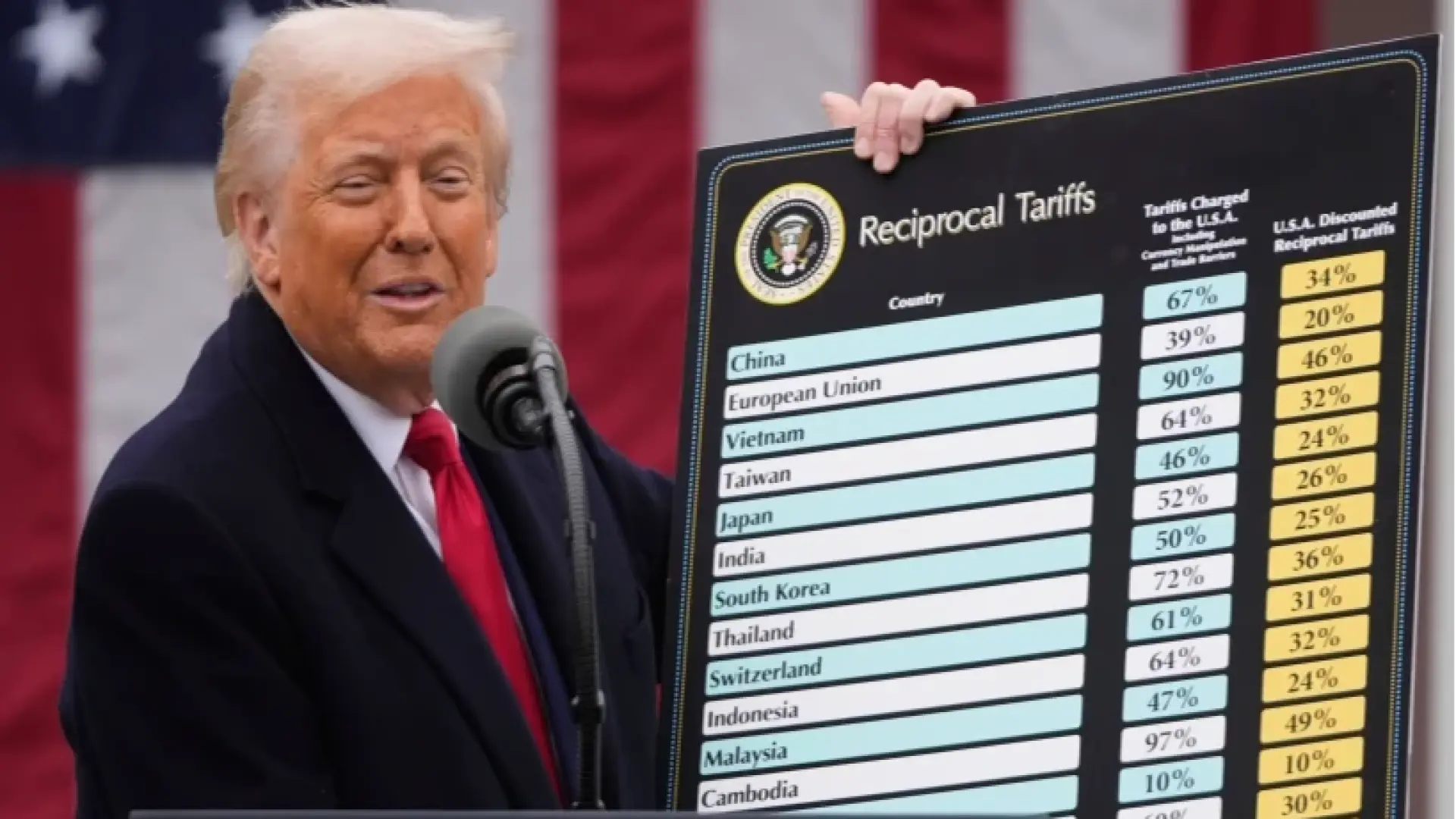
The Trump administration is preparing to impose new tariffs on China, the European Union and 14 other economies over industrial subsidies that Washington says have contributed to excessive manufacturing output, according to an Associated Press report.
The US Trade Representative’s (USTR) Office is expected to publish findings from a months-long investigation into industrial subsidies in the 16 economies in the coming days. Two people familiar with the matter disclosed the plans on condition of anonymity because they were not authorised to speak publicly.
The timing of the tariff announcement could still change. Neither the White House nor the USTR responded to requests for comment.
The proposed tariffs are part of the administration’s efforts to replace broader duties imposed in April 2025, which the US Supreme Court ruled unconstitutional in February 2026.
Washington has accused the targeted economies of using subsidies to support excessive manufacturing, leading to a surge in cheaper products that undercut American companies.
In July, the White House imposed tariffs ranging from 10 to 12.5 per cent on 60 trading partners, accusing them of failing to adequately enforce bans on goods produced through forced labour.
The new duties would be imposed on top of those existing tariffs. However, the proposed rates have not yet been disclosed.
The investigations into excess industrial capacity were launched under Section 301 of the Trade Act of 1974. The law allows the US president to impose tariffs on countries found to discriminate against American companies or commerce.
The planned action comes despite a major Republican defeat in the November midterm elections, which was largely driven by concerns over affordability amid persistent inflation. The new tariffs could also test how Democrats respond to trade duties imposed unilaterally by President Donald Trump.
Although Republicans hold majorities in both chambers of Congress, Trump could veto legislation seeking to overturn or weaken the tariffs.
The move also comes amid renewed diplomatic engagement between Washington and Beijing. Trump visited the Chinese technology hub of Shenzhen last week for his third face-to-face meeting with Chinese President Xi Jinping this year. Xi is expected to visit Doral, Florida, next month for the Group of 20 summit hosted by Trump.
Despite efforts to improve relations, the large trade deficit remains a major source of tension between the two countries.
China’s excess industrial capacity in sectors such as automobiles, solar panels, cement and steel has increasingly drawn criticism from its trading partners. Weak domestic demand has encouraged Chinese companies to expand into overseas markets.
A surge in exports pushed China's trade surplus to a record of nearly $1.2 trillion last year.