Home
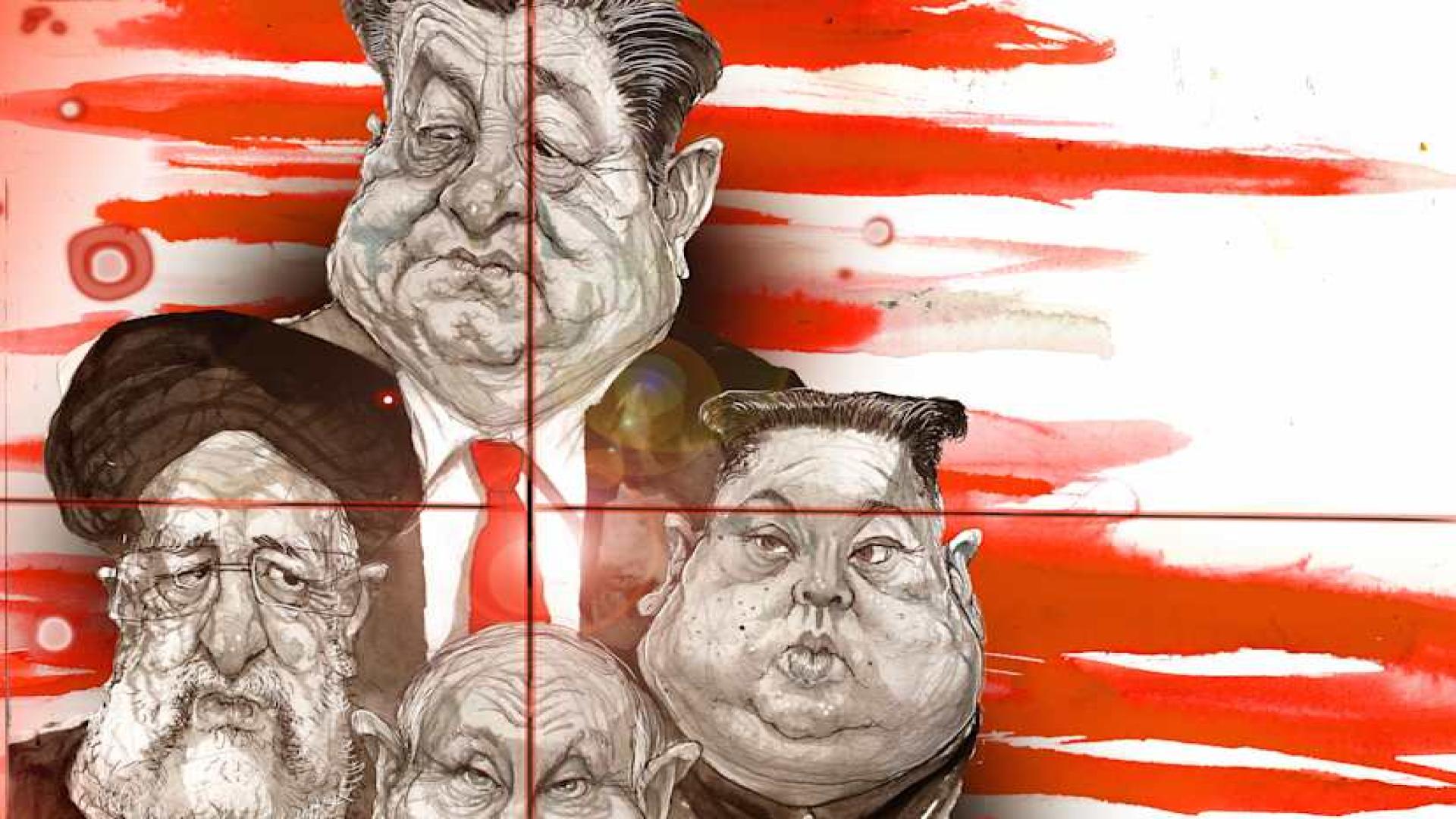
Growing cooperation among China, Russia, North Korea and Iran is raising concerns in Washington about the emergence of a new geopolitical grouping that some US officials and analysts have described as an “Axis of Evil”.
The four countries have increasingly supported one another through military supplies, technology, economic cooperation and diplomatic coordination. Their growing ties have raised concerns about the potential impact on international security and the existing global order.
A Voice of America (VOA) analysis published on October 23, 2024, reported that US officials were becoming increasingly concerned about the emerging partnership. The concerns intensified after US Defence Secretary Lloyd Austin confirmed that North Korean troops were present in Russia, apparently preparing to participate in Moscow's war against Ukraine.
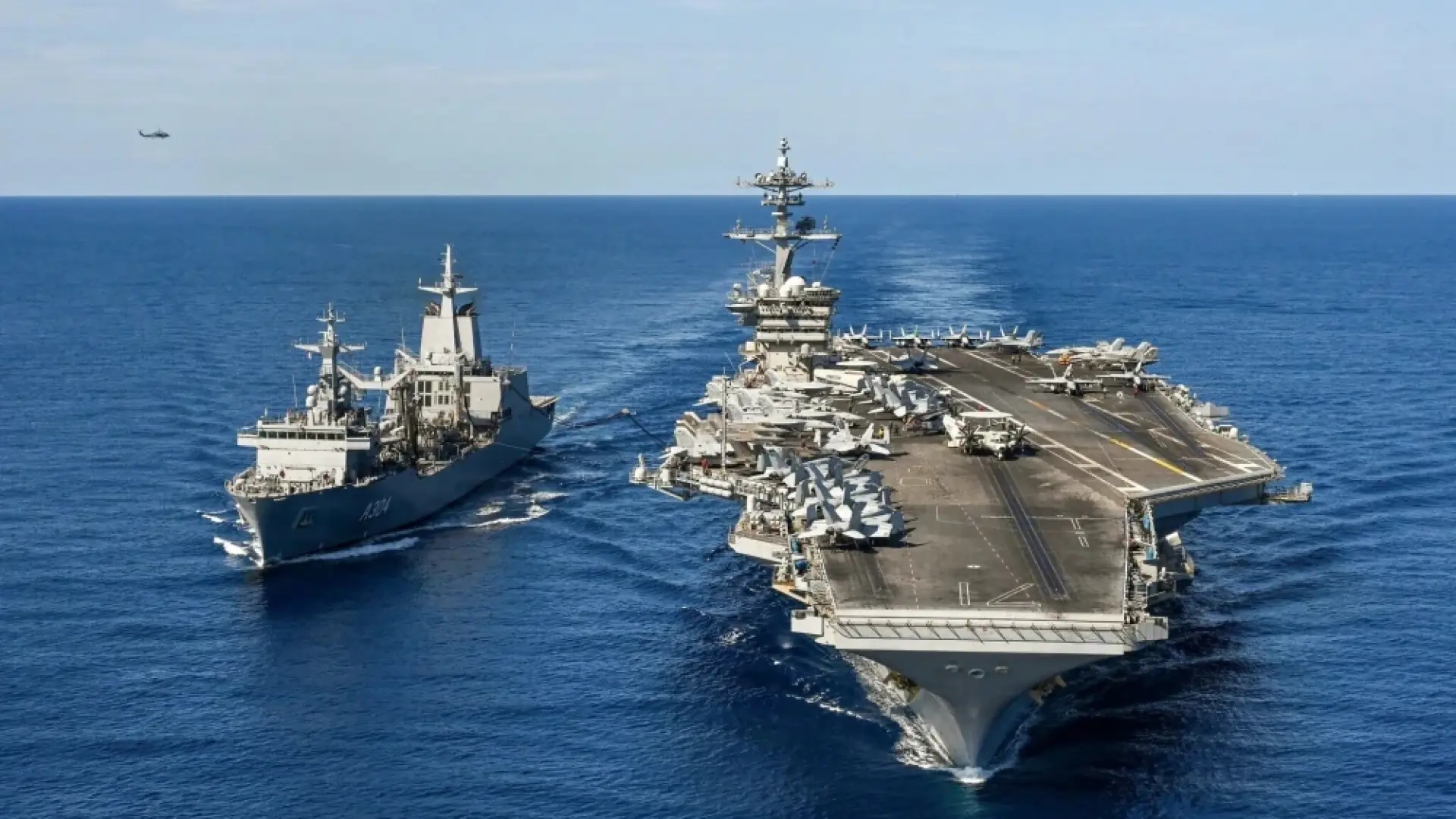
Just days earlier, Russia had participated in naval exercises hosted by Iran.
Military and Technological Cooperation
China, North Korea and Iran have supported Russia's war effort in Ukraine in different ways.
Iran has supplied missiles and drones, while North Korea has sent artillery shells. China, meanwhile, has provided dual-use technology and industrial products, including semiconductors and drone engines.
Republican Congressman Rob Wittman, vice-chairman of the House Armed Services Committee, said the four countries were cooperating and sharing technology in ways that could increase their ability to destabilise the international order.
He pointed to Chinese components found in drones used in Ukraine, North Korean-manufactured ammunition used by Russian artillery and Iranian-made drones deployed by Russian forces.
Wittman argued that the cooperation among the countries was allowing them to develop military capabilities by learning from the war in Ukraine.
China's Role in the Emerging Partnership
Analysts believe China's participation makes the relationship among the four countries particularly significant.
Christopher S. Chivvis, a senior fellow and director of the American Statecraft Program at the Carnegie Endowment for International Peace, told VOA that without China, the partnership would largely involve three countries that are relatively isolated internationally.
He said China's economic and technological strength gives the grouping greater potential to challenge US interests.
Merrill Matthews, a resident scholar at the Institute for Policy Innovation, argued that at least three of the four countries were pursuing expansionist objectives and coordinating their activities to advance their respective interests.
He also said the countries were working towards building a largely self-sufficient economic zone that would reduce their dependence on Western economies.
Potential Consequences for Taiwan and Other Regions
Chivvis warned that a crisis involving one of the four countries could create opportunities for another to escalate tensions in a different region.
For example, if China launched a military operation against Taiwan, Russia could take advantage of the pressure on US military resources to intensify its campaign in Ukraine or even move against NATO territory.
Similarly, a major escalation involving Iran in the Middle East could force the United States to deploy additional naval and air forces to the region, potentially giving China an opportunity to increase pressure on Taiwan.
Chivvis said such coordination would not necessarily require a formal treaty among the four countries. It could emerge naturally during an international crisis.
Michael Singh, managing director of the Washington Institute for Near East Policy, also warned that conflicts in the Middle East and Indo-Pacific could become interconnected.
He pointed to the importance of Gulf Arab states as energy suppliers to China and Taiwan, as well as Iran's ability to disrupt international waterways through regional allies such as Yemen's Houthi movement.
Not Yet a Formal Alliance
Despite growing cooperation, US officials have cautioned against treating the four countries as a fully integrated military alliance.
Then-US Secretary of State Antony Blinken described them as revisionist powers seeking to change the existing international system. However, he stressed that they did not constitute a formal axis and that their cooperation remained largely transactional.
Blinken also noted that their partnership involved compromises and risks that individual countries might find increasingly difficult to accept.
Nevertheless, he argued that their shared objective of challenging US influence and the existing international order would continue to encourage cooperation.
The VOA analysis said the growing partnership was becoming an important concern for US policymakers, particularly because of its potential to connect conflicts in Europe, the Middle East and the Indo-Pacific.