Home
Home
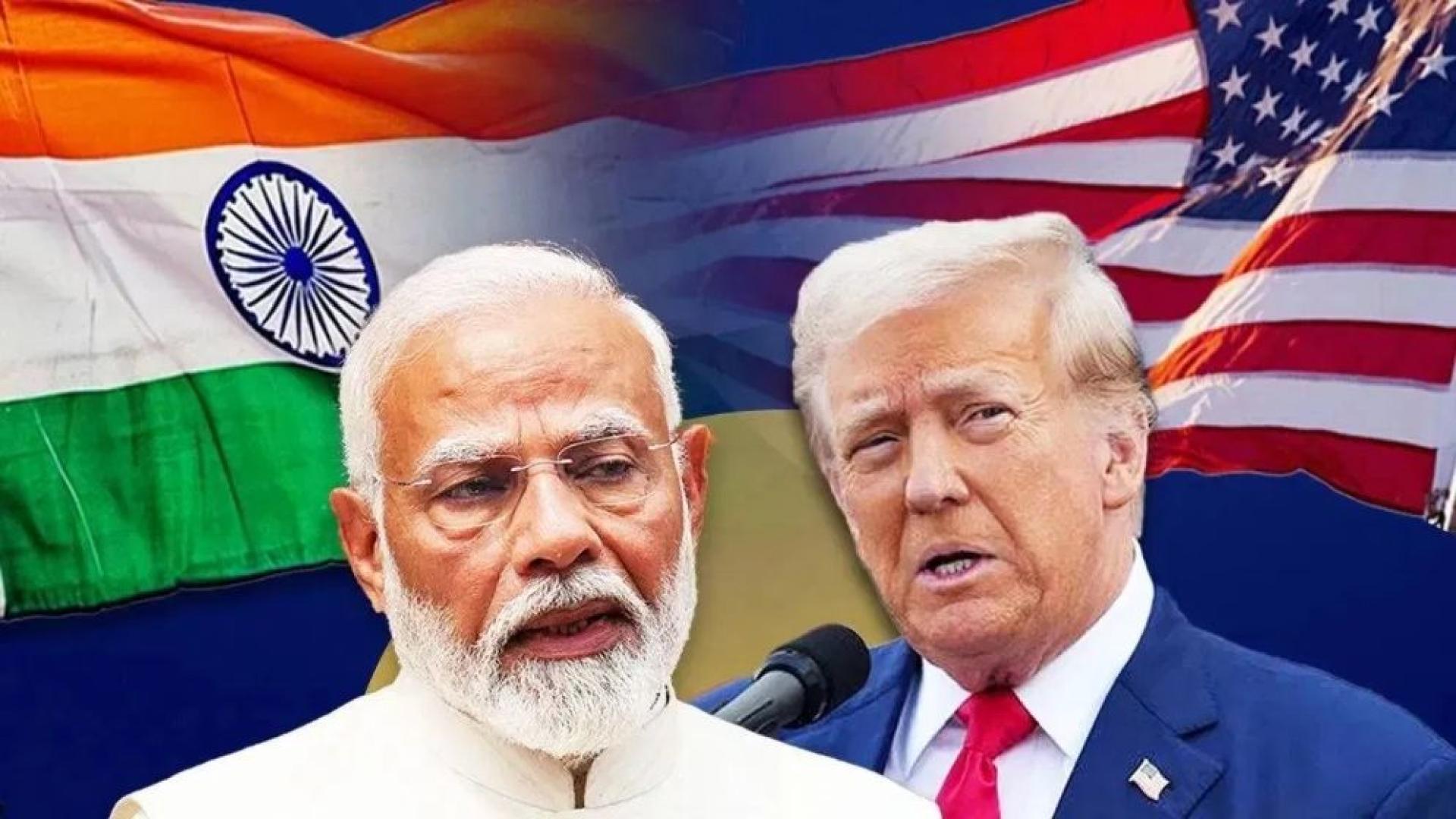
Amid prolonged strain in its long-standing friendly relationship with the United States, India is now openly criticizing Washington. The country's Foreign Minister S. Jaishankar has alleged that the United States is not giving due importance to India's concerns about terrorism. At the same time, Washington's growing closeness with Pakistan and its trade policies are creating fresh distance between the two countries.
According to analysts, this shift in India's stance comes amid tensions that have developed between the two countries during US President Donald Trump's second term. While New Delhi had so far tried to manage diplomatic differences without bringing them into the open, its critical stance toward Washington is now becoming clear.
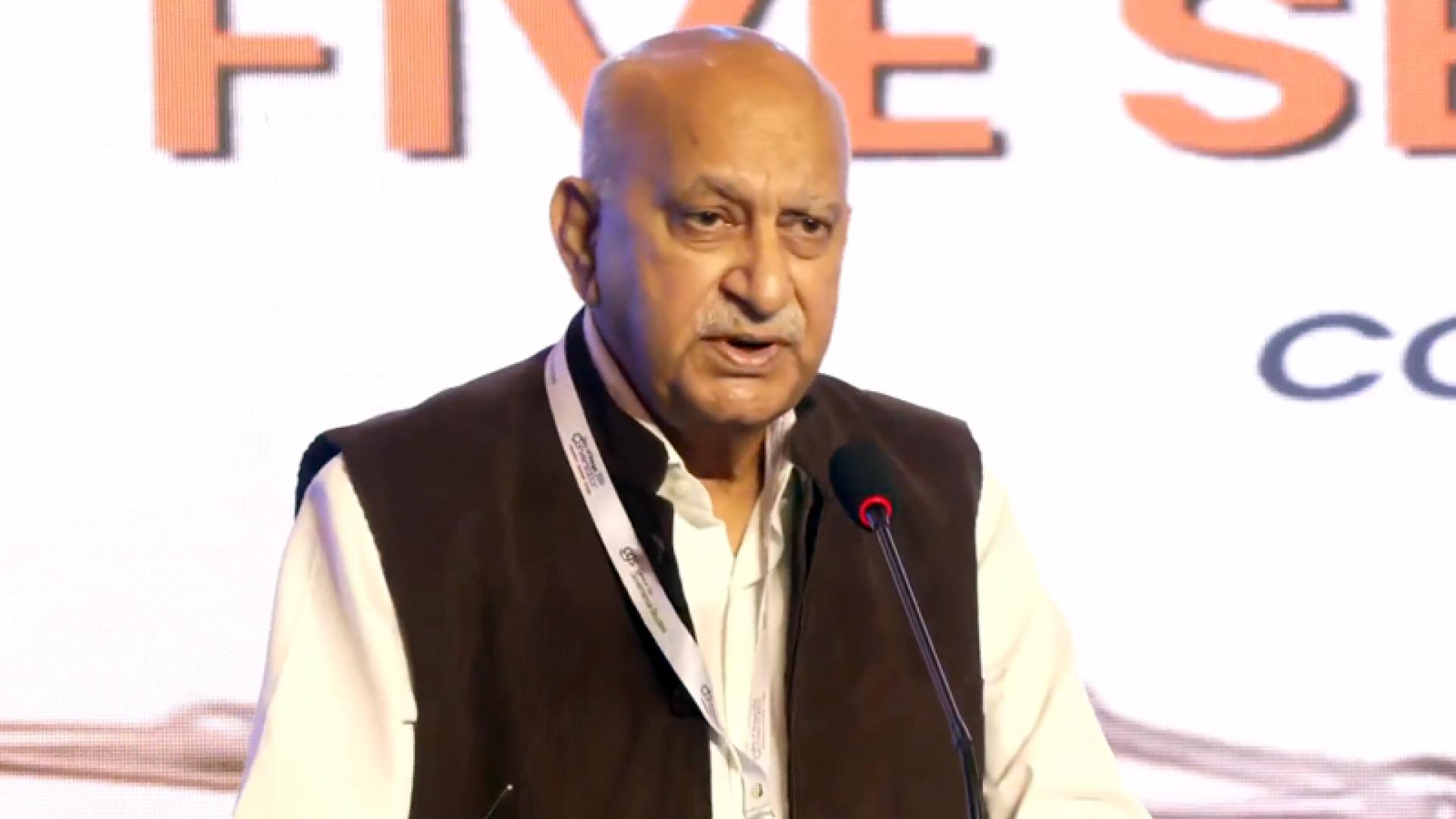
Speaking at an event in New York this week, Jaishankar highlighted several points of contention in India-US relations. He said the United States does not show sufficient sensitivity toward India's concerns about terrorism. He also noted that Washington's relationship with India's longtime rival Pakistan is warming, and remarked that the US's self-centered trade policies are creating economic pressure for countries of the Global South.
On Wednesday (October 30), Indian Prime Minister Narendra Modi spoke by phone with US President Donald Trump. Although the call was described as "productive," the report noted that Modi's remarks lacked the warmth seen previously.
Growing distance over trade
Trade is one of the biggest points of contention in India-US relations. The United States is India's largest trading partner. In 2025, the two countries' goods trade stood at 149.1 billion dollars, with India holding a trade surplus of 58.4 billion dollars.
Although talks on a trade agreement between the two countries have been ongoing for a long time, a final deal has not yet been reached. Differences over the agriculture sector are one of the main reasons. To protect its farmers, India has kept its market largely restricted for decades.
Jaishankar said there are major differences between the two countries in per capita income, production systems, and the nature of their societies, which has made it difficult to achieve the expected progress on a trade agreement.
Meanwhile, Trump has signed a law that allows for tariffs of up to 100 percent on India over its purchase of oil from Russia. Analysts believe such measures could put further pressure on relations between the two countries.
India's discontent over Pakistan
Pakistan is another major source of discomfort in India-US relations. After an attack in Indian-administered Kashmir last May killed 26 civilians, a four-day conflict broke out between India and Pakistan.
Trump later announced a ceasefire, claiming that his intervention had stopped the fighting between the two countries. However, India has always considered the Kashmir issue a bilateral matter with Pakistan and does not accept mediation from any third party.
Analysts believe Trump's repeated claims of credit for the ceasefire, along with Washington's growing closeness with Pakistan, have increased New Delhi's discontent.
Jaishankar said the issue is extremely important to India, which has been a victim of terrorism for decades. He said that if India's concerns are not properly understood, it will create problems in the relationship between the two countries.
Domestic pressure as well
Changes in US immigration policy and the H-1B visa program have also become a cause for concern for India. India is one of the biggest beneficiaries of this program. However, new restrictions and increased fees under the Trump administration have created uncertainty over job opportunities for Indian workers in the US.
According to analysts, domestic political pressure is also playing a role in India's shifting stance toward the US. Opposition parties have alleged that India keeps capitulating to pressure from the Trump administration. With elections due in several key Indian states next year, the issue is gaining further weight in political discourse.
According to Chietigj Bajpaee, senior research fellow for South Asia at the London-based think tank Chatham House, Jaishankar's remarks reflect a candid assessment of the current state of the two countries' relationship. In his words, while India was optimistic about the relationship at the start of Trump's second term, the situation is different now.
On the other hand, Harsh Pant, vice president at the Observer Research Foundation, believes that New Delhi is now openly voicing its concerns because the US has deepened its closeness with Pakistan without taking India's sensitivities into account.
Still, some analysts believe that despite the current strain, both countries will continue efforts to revive their relationship — particularly noting that a bilateral trade agreement, if reached, could create an opportunity for improvement in ties.