Home
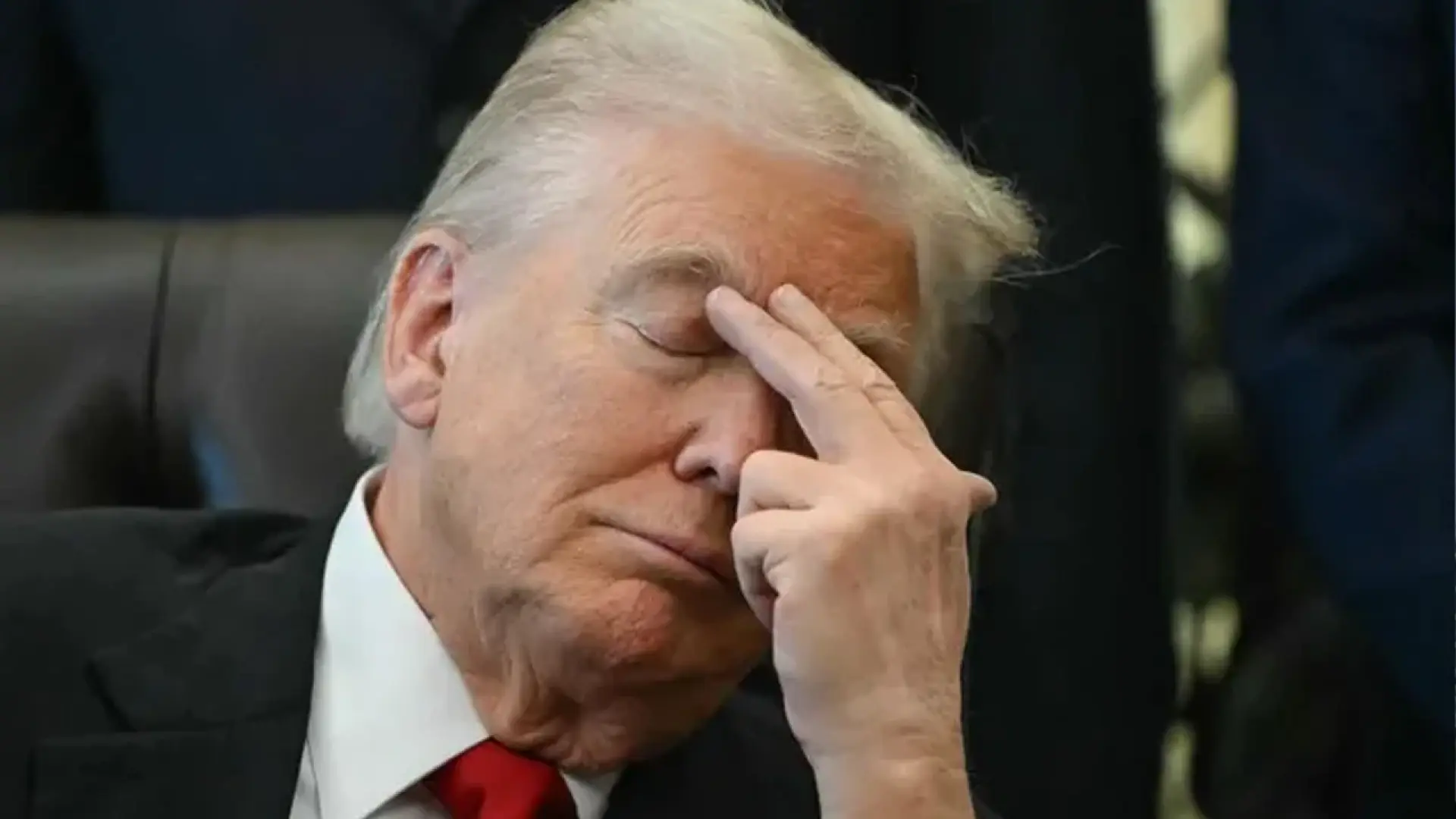
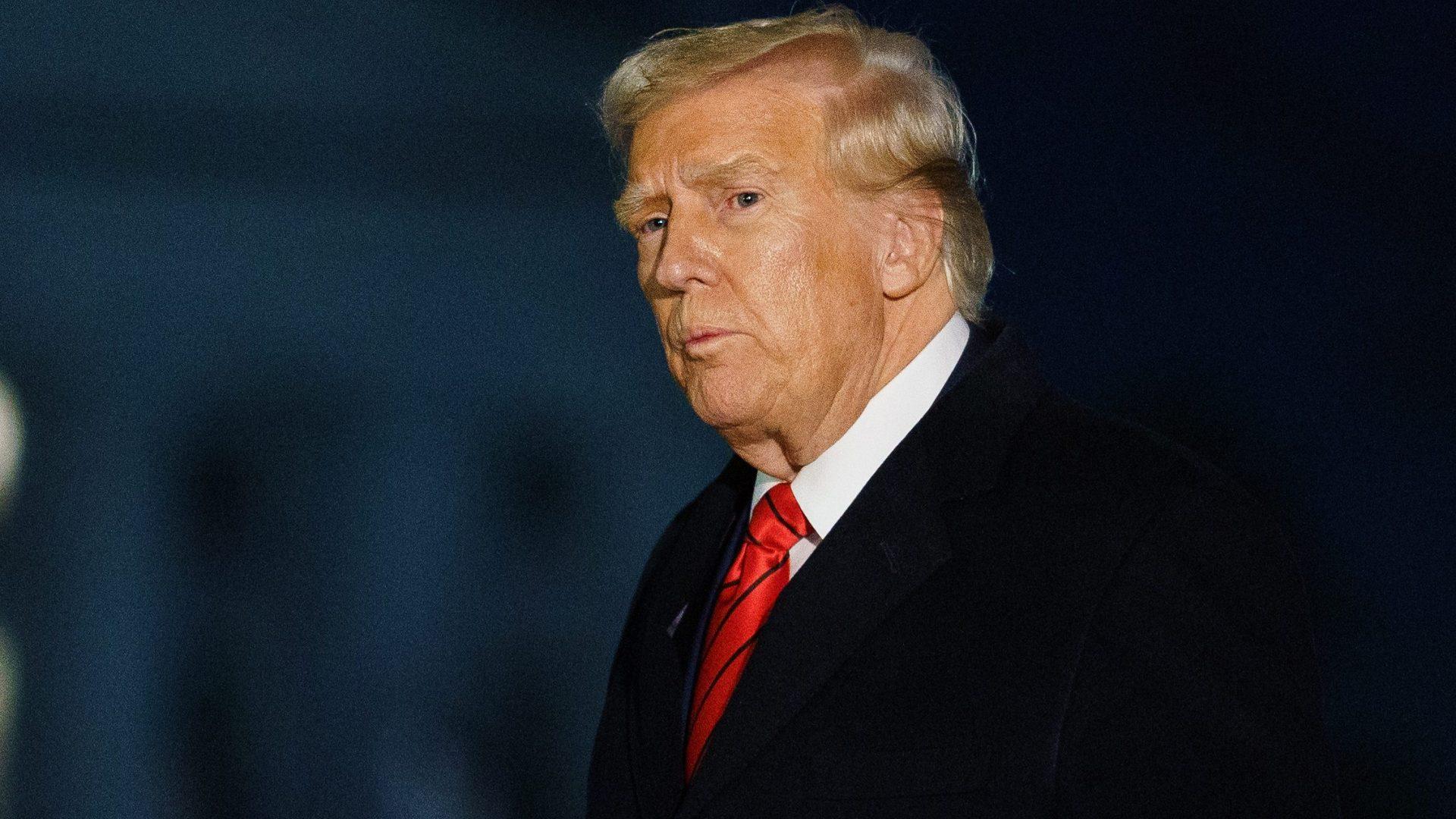
US President Donald Trump is set to face greater political and legislative constraints after Democrats won control of both chambers of Congress in the midterm elections, ending the Republican Party’s grip on the House of Representatives and the Senate.
The election results dealt a major blow to the Republicans, who lost several seats they had held for years. Trump reacted with mixed messages, accepting the results and expressing willingness to work with Democrats while also signalling a tough political fight ahead.
In a post on his social media platform Truth Social after Tuesday’s election, Trump claimed that Republicans would have won a landslide victory if he had been on the ballot.
In an interview with The New York Times, however, he said he was fully willing to accept the results and work with Democrats. Shortly afterwards, he posted a picture of a red MAGA cap bearing the word “Veto” instead of his usual campaign slogan, signalling his constitutional power to block legislation passed by Congress.
Critics and political commentators have already described Trump as a “lame-duck president” following the loss of Republican control of both chambers.
What does a lame-duck presidency mean?
The term “lame duck” traditionally refers to the final period of a president’s term, usually after a successor has been elected but before the outgoing president leaves office. During this period, the president is often considered to have less political influence because the end of the administration is approaching.
In Trump’s case, the term is being used more broadly to describe a decline in his ability to shape policy and secure political support.
With Republicans previously controlling Congress, Trump had considerable influence over the legislative agenda. Democrats are now set to lead both chambers, reducing his influence over lawmaking. The election defeat is also widely being viewed as a rejection of his policies by voters.
Trump’s second term has more than two years remaining and is scheduled to end in January 2029. Analysts believe his ability to persuade fellow Republicans to support his agenda or exert pressure on them could also weaken.
What powers does Trump still have?
Despite losing congressional control, Trump will retain significant authority as head of the executive branch.
During his presidency, he has frequently used executive orders to advance his agenda and concentrate decision-making power in the White House, even when legislation has faced obstacles in Congress.
In January 2025, after Congress allocated only part of the funding Trump sought to secure the southern US border, he declared a national emergency. He then used executive orders to redirect billions of dollars from other programmes towards building a border wall.
Congress can pass a joint resolution to terminate a national emergency declared by the president. However, the president can block such a resolution through a veto.
Overriding a presidential veto requires a two-thirds majority in both the House and the Senate. Democrats will not have enough seats to achieve that threshold on their own.
Trump is expected to make extensive use of his veto power. Speaking to Fox News on Tuesday, he said he would veto all the “crazy” legislative proposals put forward by Democrats.
He also suggested that after several months of vetoes, Democrats would eventually ask how they could get things done, creating an opportunity for both sides to work together.
How have other lame-duck presidents used their powers?
History shows that presidents facing reduced political influence have still managed to pursue important policy goals, particularly in areas where the executive branch has considerable independent authority.
James Boys, a researcher at University College London’s Centre on US Politics, told Al Jazeera that many policy areas remain outside Congress’s direct control despite the Republicans’ election defeat.
He said the US Constitution gives the president extensive powers in foreign policy, suggesting Trump could focus much of his remaining time in office on that area.
Former President Barack Obama, for example, lost Republican control of Congress after the 2014 midterm elections. He subsequently used executive authority to finalise the Iran nuclear deal, formally known as the Joint Comprehensive Plan of Action (JCPOA), and normalise diplomatic relations with Cuba. During his lame-duck period, he also defended his controversial Affordable Care Act.
Former President Bill Clinton focused on foreign policy during the final months of his presidency. In 2000, he hosted the Camp David summit in an effort to secure peace between Israelis and Palestinians, although the talks eventually collapsed.
Clinton also used executive powers to protect 58.5 million acres of forest, restrict large-scale mining and logging on designated federal land, and implement plans to conserve water resources.
Former President Joe Biden entered his lame-duck period after announcing that he would not seek re-election in 2024.
In his final days in office, Biden issued a broad pardon for his son, Hunter Biden, and pre-emptive pardons for other family members and aides. He also authorised Ukraine to use US-supplied missiles for strikes deeper inside Russia, reversing the previous US policy.
Additionally, he directed the Pentagon to provide Ukraine with the remaining funds from a $61 billion aid package to reduce the risk of the assistance being cancelled under the incoming Trump administration.