Home
Home
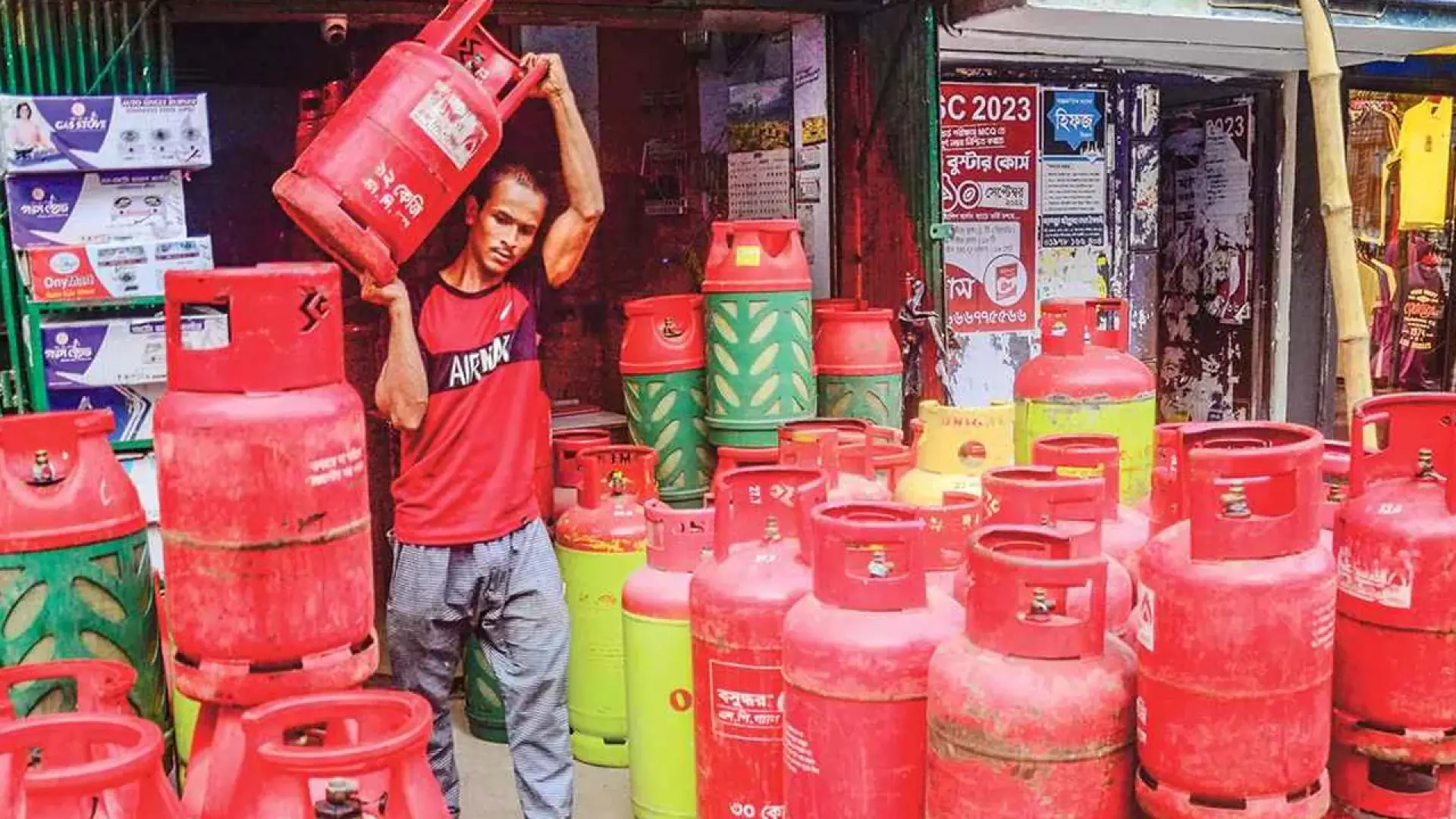
Bangladesh’s liquefied petroleum gas (LPG) market is facing a widening gap between government-set prices and what consumers actually pay, with weak supply and infrastructure constraints adding to the burden on households.
The Bangladesh Energy Regulatory Commission (BERC) has set the price of a 12-kilogram LPG cylinder at Tk 1,837, but consumers in Dhaka are currently paying around Tk 2,300–2,500. The gap is particularly striking when compared with neighbouring countries, where LPG prices are generally lower and closer to officially fixed rates.
Bangladesh’s official LPG price is around Tk 153 per kilogram, compared with approximately Tk 87 in Kolkata. A 12.5-kg cylinder in Colombo costs the equivalent of less than Tk 1,400, while a 12-kg cylinder in Pakistan costs slightly below Tk 1,500. Nepal’s 14.2-kg cylinder also costs slightly less than Tk 1,400 in Bangladeshi currency.
The price disparity has become a growing concern for households. Bangladesh has around 10 million LPG users, with roughly 80 per cent using the fuel for cooking. Annual demand has crossed 1.5 million tonnes.
Supply shortages have added to the pressure. Distributors and retailers said some companies began cutting supplies from 20 September, initially by about 30 per cent and later by more than 50 per cent. As a result, a cylinder that had previously been available at a lower price began selling for as much as Tk 2,500 in Dhaka.
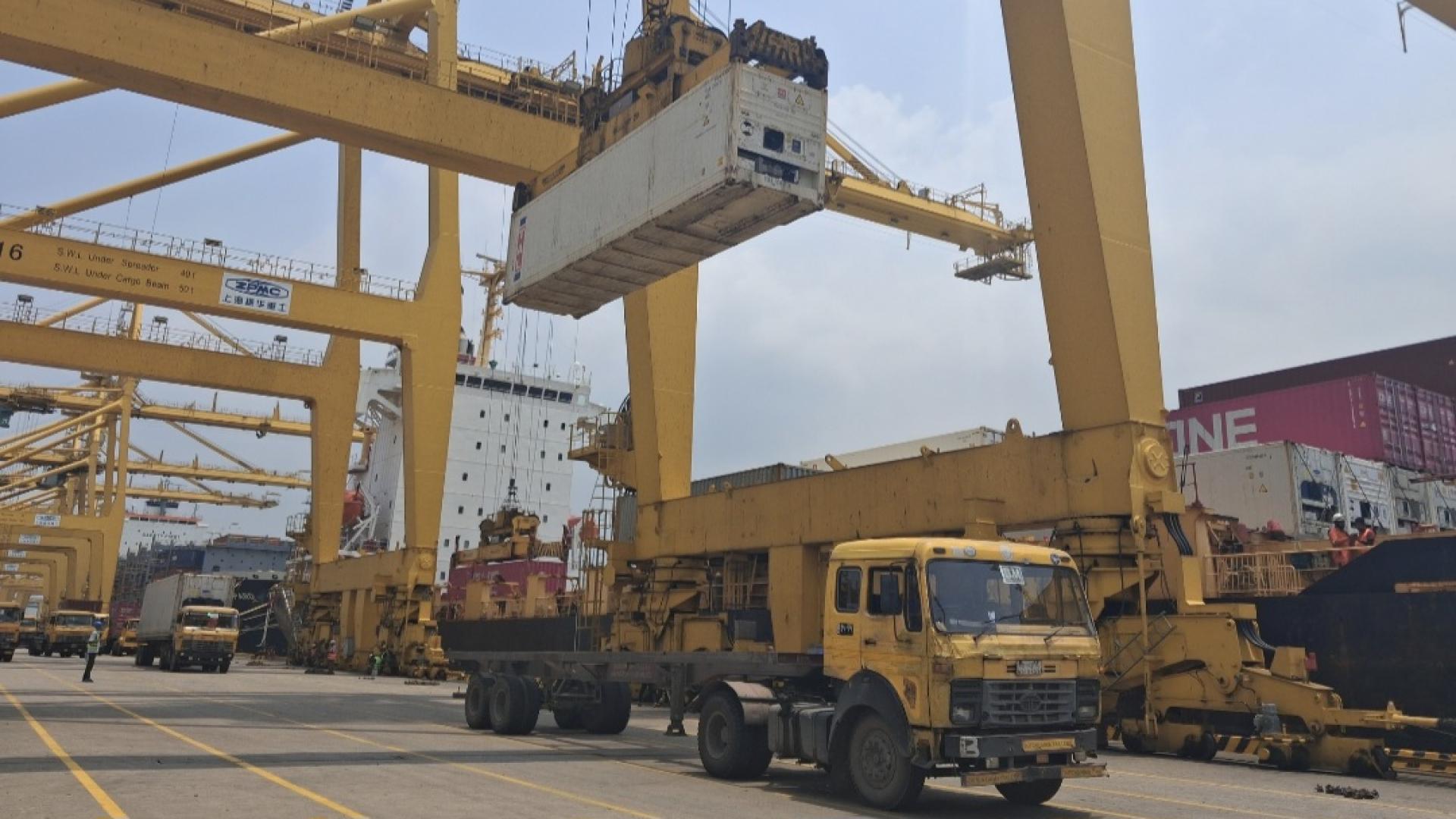
The shortage, however, does not appear to be the result of a major decline in imports. According to the LPG Operators Association of Bangladesh (LOAB), the country imported 158,000 tonnes of LPG in August and 156,000 tonnes in September.
Industry representatives say Bangladesh’s lack of deep-sea LPG terminals and adequate storage facilities is one of the major structural problems. LPG is largely brought in using smaller vessels, increasing transportation and shipping costs.
BERC Chairman Jalal Ahmed said the higher price is largely linked to transportation and infrastructure limitations. He said establishing terminals and large storage facilities at locations including Matarbari, Chattogram, Mongla and Elenga could eventually help reduce costs. Such infrastructure, however, could take three to four years to develop.
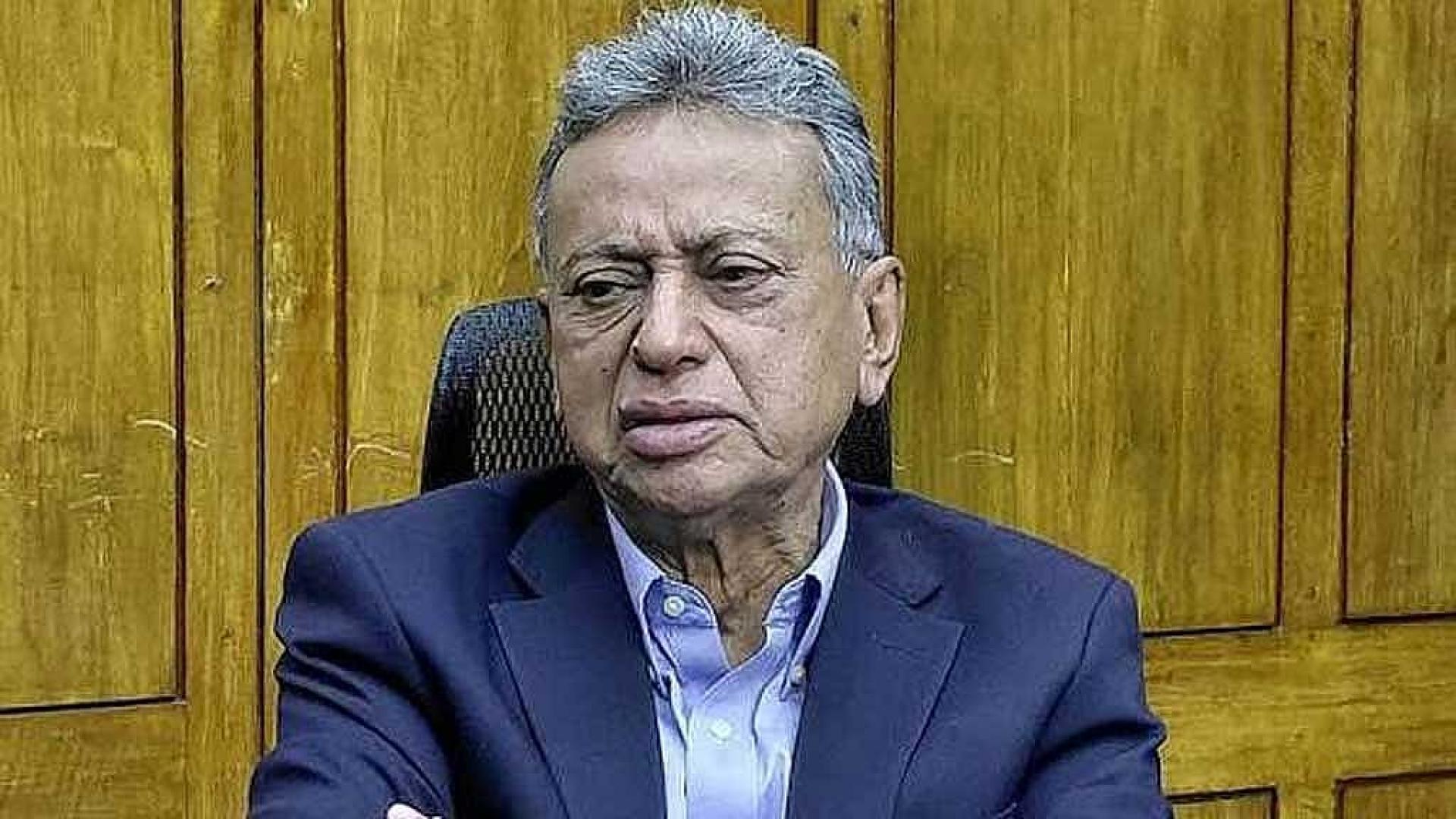
Former LPG Operators Association of Bangladesh president Azam J Chowdhury also pointed to infrastructure and vessel rental costs as key disadvantages for Bangladesh. He said a deep-sea terminal and increased storage capacity could help bring LPG prices down.
Meanwhile, supply conditions are showing some signs of improvement following the latest BERC price adjustment. But with trucks waiting to collect LPG, market participants expect it could take more than a week for supplies to return to normal.
The price difference is not uniform across Bangladesh. In Barishal, for example, 12-kg cylinders of Petromax, Sun and Fresh were found selling for around Tk 1,870, while Total Gas was priced at Tk 1,920—roughly Tk 400–500 below the prevailing Dhaka prices.
For consumers, the problem is therefore not simply the official LPG price. The larger challenge is ensuring that the regulated price is actually reflected in the market, while addressing the supply and infrastructure bottlenecks that continue to keep cooking gas expensive.