Home
Home
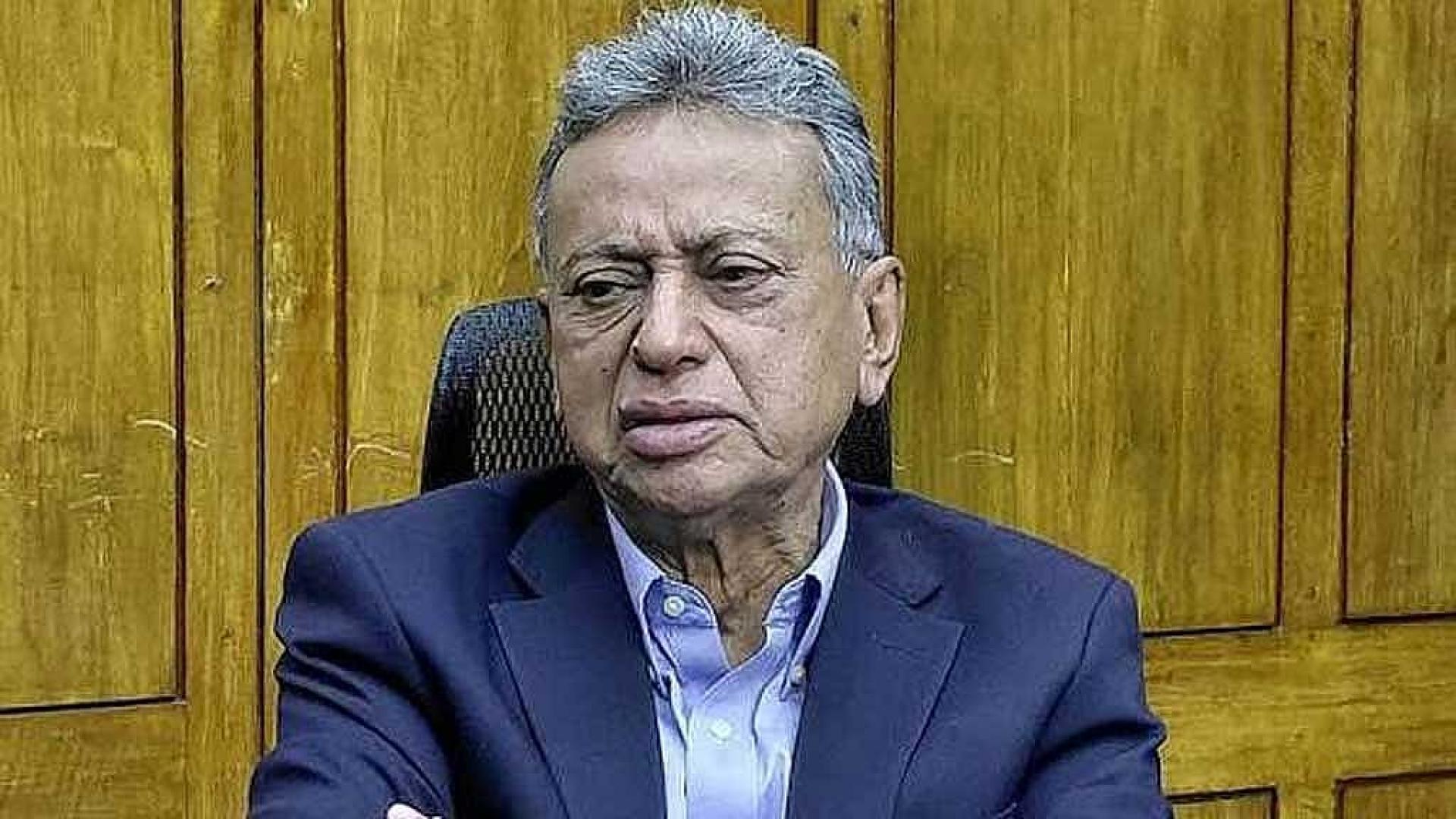
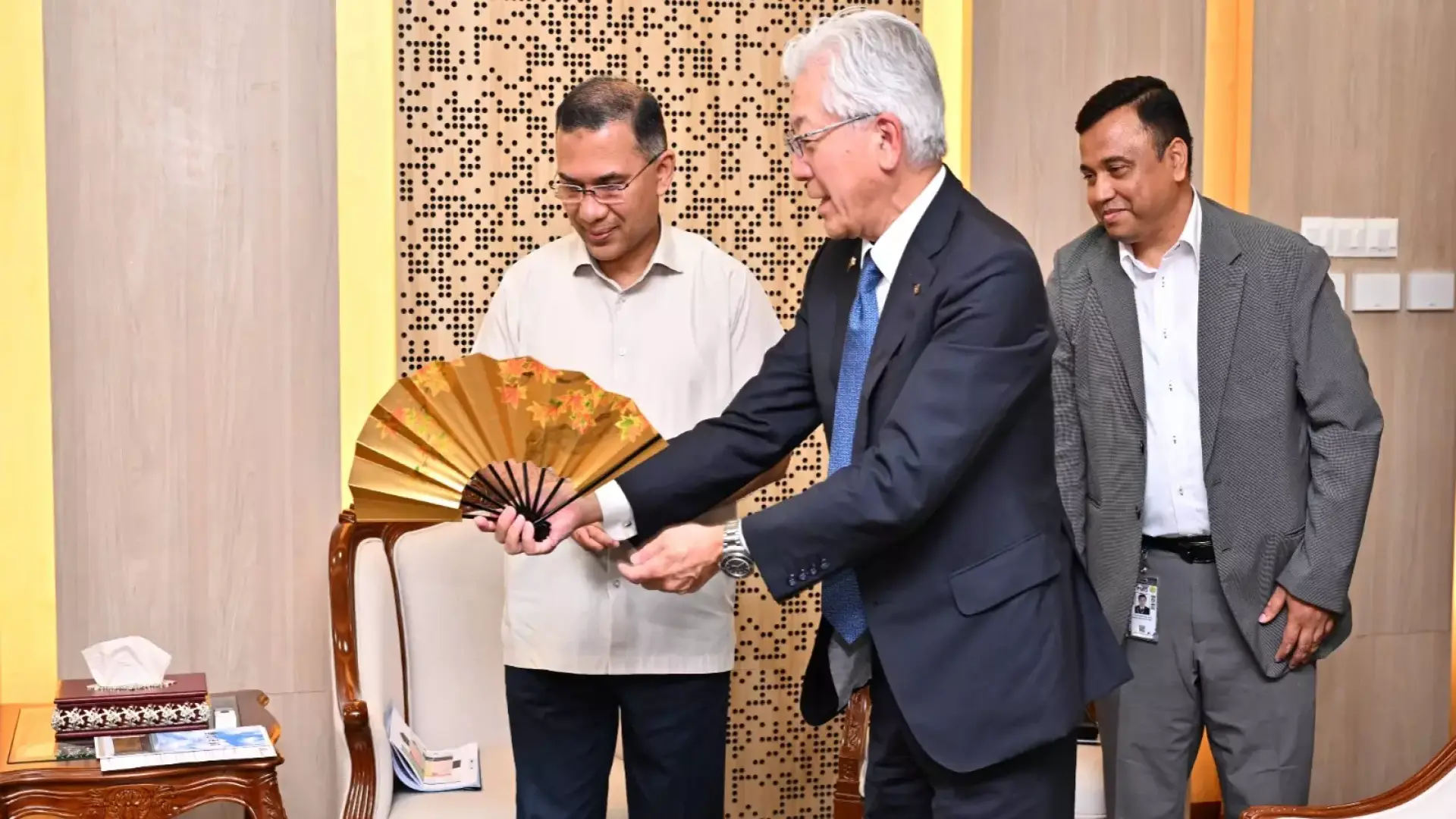
Bangladesh appears to be keeping the door open to a fresh International Monetary Fund (IMF) loan programme despite Finance Minister Amir Khosru Mahmud Chowdhury’s recent claim that the country has cancelled its IMF agreement and does not want to rely on multilateral lenders.
A senior Finance Division official told that negotiations with the IMF over a new loan programme are continuing, suggesting that the minister’s remarks referred to Bangladesh’s decision to withdraw from the previous agreement rather than ending discussions altogether.
The issue has gained prominence ahead of the IMF-World Bank Group annual meetings in Bangkok from Oct 12 to 18. Bangladesh has already submitted its reform proposals to the IMF, while a delegation led by Khosru is expected to hold discussions with senior officials of the lender during the meetings.
Bangladesh initially signed a $4.7 billion IMF loan programme in early 2023 amid a severe foreign exchange crisis. The programme was later increased to $5.5 billion under the interim government. The country has so far received $3.64 billion in five instalments, while the sixth instalment became stalled.
After taking office in February, the BNP-led government resumed negotiations and proposed replacing the existing arrangement with a new programme. The IMF confirmed on June 3 that Bangladesh had applied for a new programme, although the proposed loan size was not disclosed.
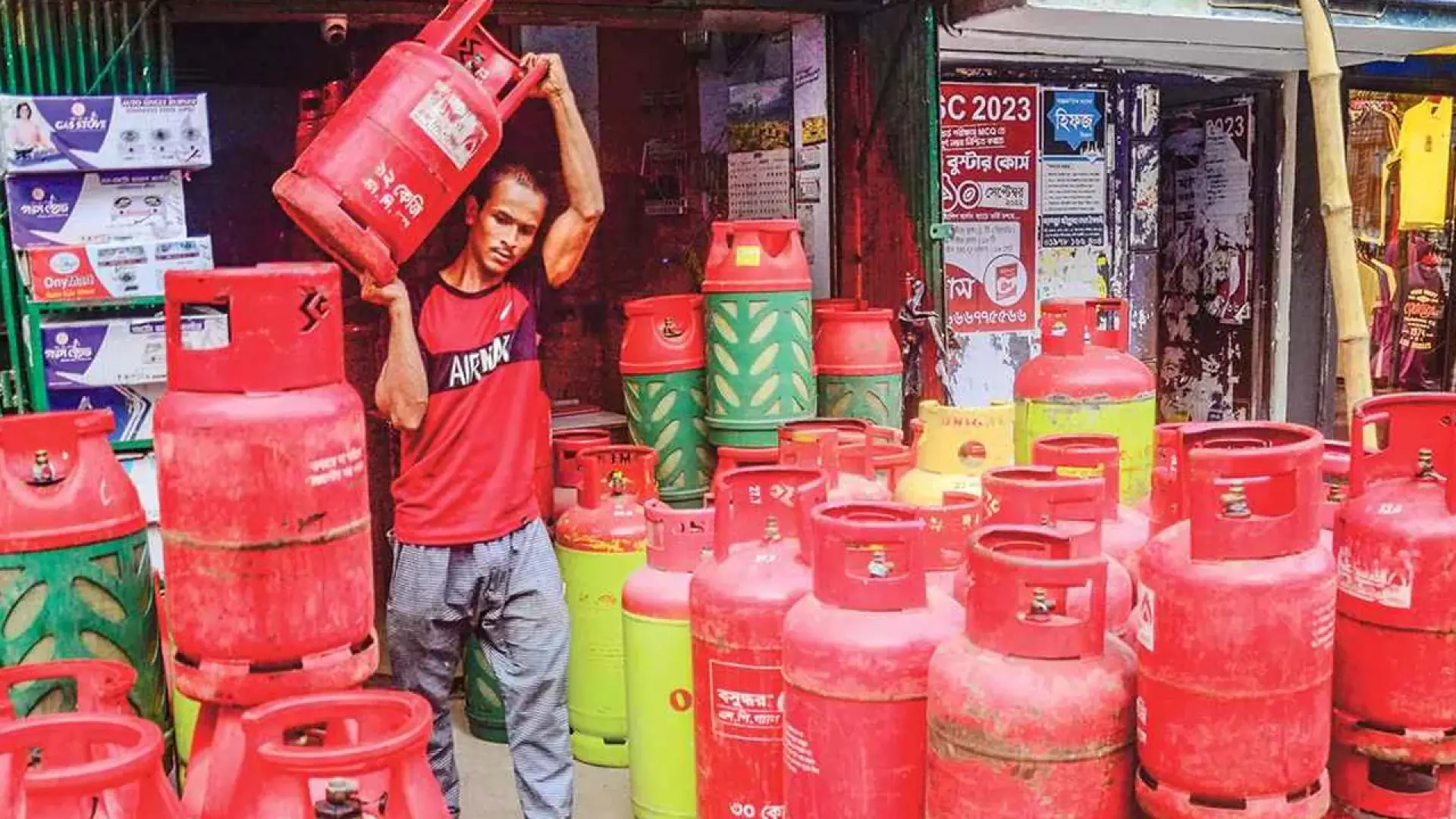
The government’s financing needs remain significant. Bangladesh has faced persistent economic pressure since 2022, including depleted foreign exchange reserves, high inflation and rising energy costs. The government has allocated Tk 370 billion for electricity subsidies and Tk 60 billion for LNG subsidies in the current fiscal year.
The Finance Division has also released around Tk 238 billion for LNG imports over the past two and a half months. Meanwhile, the government says Bangladesh Petroleum Corporation incurred losses of Tk 228.76 billion between March and August, while diesel subsidies alone could reach around Tk 400 billion annually at current global prices.
Against this backdrop, revenue mobilisation has emerged as one of the most difficult issues in negotiations with the IMF.
Bangladesh’s tax-to-GDP ratio has fallen from 7.4 percent when the previous programme was signed to 6.8 percent. Under the earlier agreement, the country was expected to increase the ratio by 0.5 percentage points annually during the first two years and by 0.7 percentage points in the third year.
An official described revenue collection as the “big issue” in the negotiations, adding that the IMF wants Bangladesh to quantify how much additional revenue would be generated through proposed tax and structural reforms. The lender has reportedly not been convinced by the tax collection plan submitted by the National Board of Revenue.
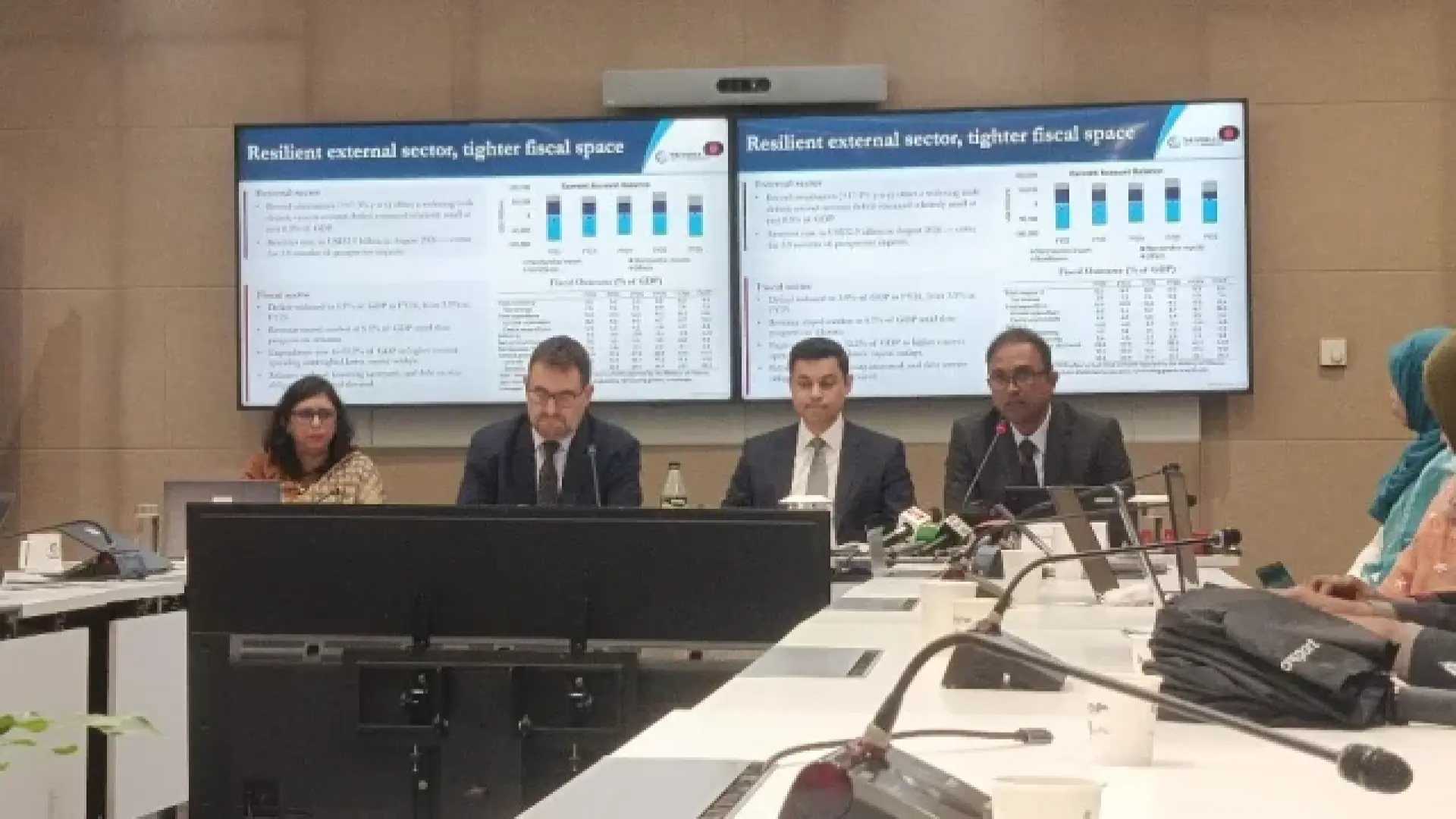
An IMF mission that concluded its latest visit to Dhaka on July 17 said discussions on a new programme would continue. The next major round of negotiations is expected after the Bangkok meetings, with an IMF delegation scheduled to visit Dhaka in late October to discuss the conditions of a possible new agreement.
The size of any future loan and the number of instalments will depend on the conditions agreed during the negotiations, according to a Finance Division official.
At the same time, the government is seeking alternatives to traditional multilateral financing. Khosru has promoted Bangladesh’s capital and bond markets as potentially cheaper sources of funding, saying the capital market and bond market can provide the answer to the country’s financing needs.
For now, therefore, Bangladesh’s IMF strategy appears less like a complete withdrawal and more like an attempt to renegotiate the terms of its engagement—with the government seeking greater flexibility while the lender continues to press for fiscal and structural reforms.