Home
Home

Finance Adviser Dr Salehuddin Ahmed on Tuesday said that the
interim government has been procuring LNG not from a specific single source,
but rather from various sources in line with its demands after comparing
international prices.
"No, we're not importing LNG from a single source, the
government is procuring LNG from various sources, be it the USA, China, or
Saudi Arabia, after comparing international prices, and it's not easy (to
import LNG from a single source without following rules)," he said.
The finance adviser was responding to queries from reporters
after chairing two separate meetings of the Advisers Council Committee on
Economic Affairs and Government Purchase, held at the Cabinet Division
conference room at Bangladesh Secretariat on Tuesday.
On the macroeconomic front, Dr Salehuddin said the
government has been trying its best to consolidate the macroeconomic situation,
while also putting utmost effort into realizing taxes as much as possible,
since tax lawyers have been included in the Tax Representative Management
System (TRMS).
Asked about the outcomes of the current visit of the USTR
delegation to Bangladesh, he said the issue lies with the Commerce Ministry,
especially as emphasis is being given to minimizing the existing trade gap
between Bangladesh and the USA by importing more items from the USA.
"We're now in a bit more comfortable position as our
trade gap with the USA is narrowing, although it is around $125 billion for
Vietnam," he said, adding that time will tell what the implications will
be.
Replying to another question, the adviser said that
importing more goods from the USA may increase the import cost, but quality
definitely matters here.
Citing an example, he said that importing wheat from the USA
may increase the cost, but its quality is definitely better. "But, on the
whole, we need to import a bit more from the USA to minimize the trade
gap."
Dr Salehuddin told another questioner that this move would
not impact the country's overall exports or inflation.
Besides, he said there would be no such impact on consumers,
as the government has been providing essential items to low-income groups
people at affordable prices through the state-run Trading Corporation of
Bangladesh (TCB).
Despite the usual trend of imports, exports, and the local
supply chain, he said that problems still exist in the wholesale and retail
markets in the country, as those often go beyond economic rationale.
However, the overall inflationary trend is now more or less
stable, as the non-food inflation rate has declined, he added.
Asked about concerns from some economists over the current
unemployment trend, he said that, definitely, creating employment is a
continuous challenge for the country, as the private sector takes the “lead
role” in generating jobs.
"If business operations slow down, then it definitely
affects employment. But we're providing policy support and other assistance to
them. We're also keeping an eye on the matter as we're a bit concerned,"
he added.
The finance adviser told another questioner that overall
trade and commerce operations in the country are now better, although revenue
generation was low earlier due to various reasons, including political ones.
"But now, revenue collection is picking up."
He went on to say: "Definitely, we're trying to raise
employment through local initiatives, as proposals were also approved to this
end today, employment must be created, as business-oriented jobs are needed the
most."
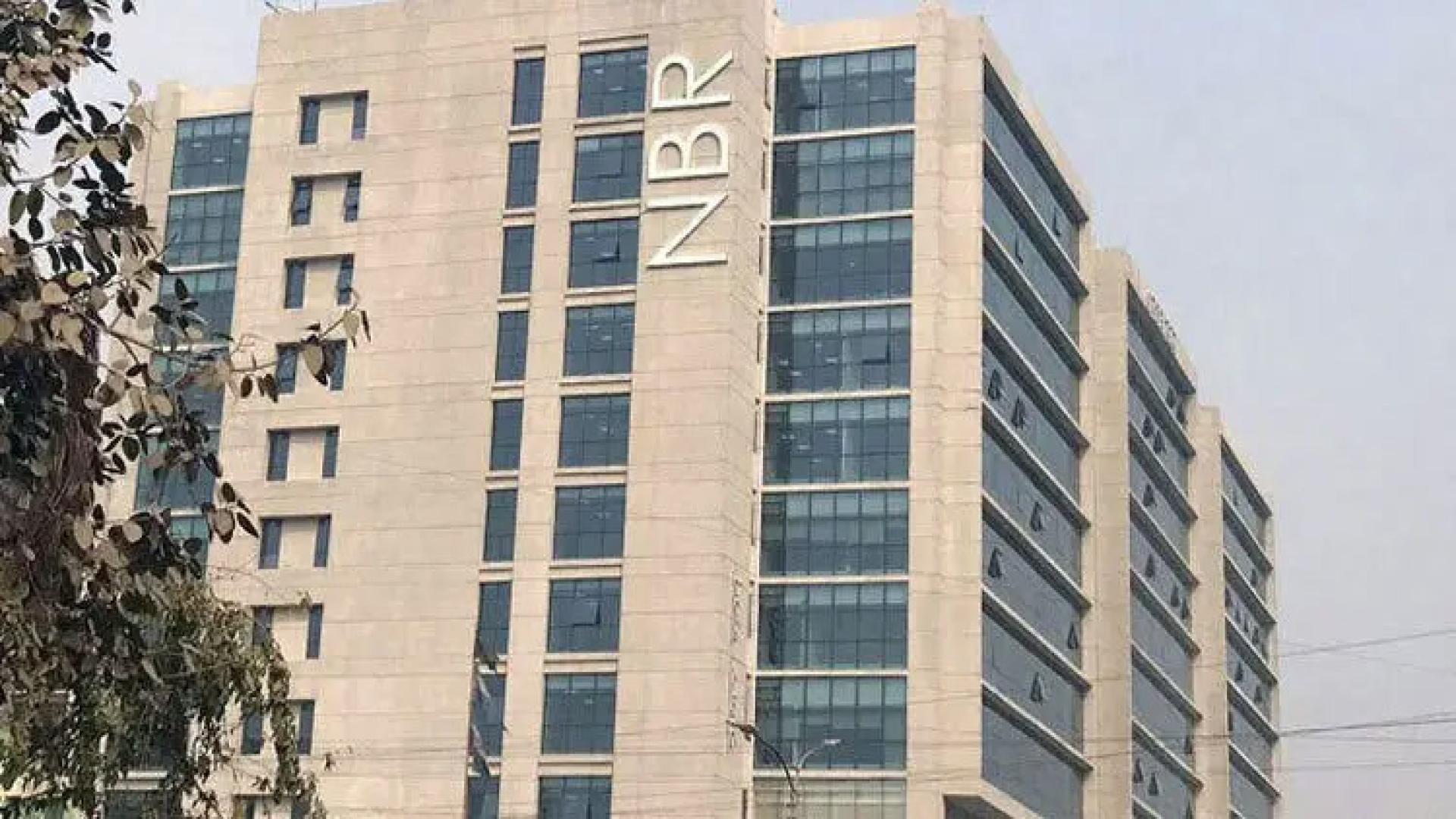
He said the NBR is now unearthing many incidents of tax
evasion, scrutinizing many tax files, and taking action.
Replying to another question about allegations of
irregularities in fertilizer procurement, he said they would look into the
matter.
He added that fertilizer is usually procured by the Ministry
of Agriculture and the Ministry of Industries.