Bruce Lee’s Mysterious Death: What Happened in His Final Hours?

Bruce Lee
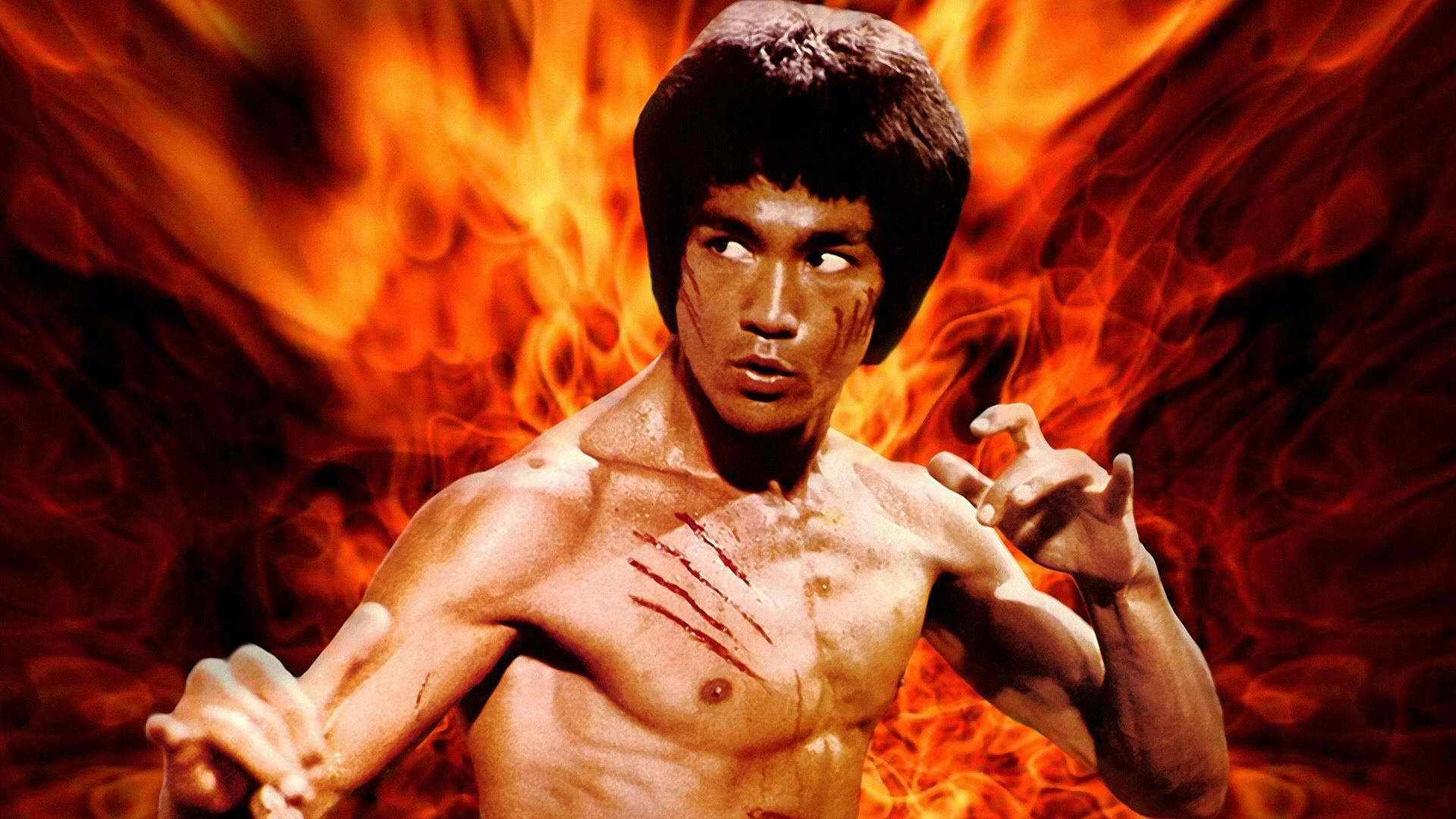
November 27 marks the birth anniversary of martial arts legend Bruce Lee, whose sudden death at the age of just 32 continues to raise questions more than five decades later. Although the official cause of death was identified as cerebral oedema, or swelling of the brain, the circumstances surrounding his final hours have remained the subject of debate.
Born on November 27, 1940, in San Francisco’s Chinatown, Lee was the son of Hong Kong opera singer and part-time actor Lee Hoi-chuen and Grace Ho. His family returned to Hong Kong before he turned one.
Lee began his acting career at the age of six and appeared in more than 20 films before turning 18. Known as “Lee Siu-lung”, meaning Little Dragon, he later became one of the most influential figures in martial arts and action cinema.
From martial arts student to international star
During his teenage years in Hong Kong, Lee became involved in street fights and began learning martial arts at 13. His teacher was the legendary Wing Chun master Ip Man.
In 1959, his parents sent him to the United States following concerns over his involvement in street fights. He initially stayed in San Francisco before moving to Seattle, where he studied philosophy and began teaching martial arts.
He later developed his own martial arts philosophy and system, Jeet Kune Do, combining traditional techniques with his personal approach to combat.
Lee married Linda Emery, and they had two children, Brandon and Shannon.
In the United States, he became a martial arts instructor to several Hollywood stars, including Steve McQueen, James Coburn and Kareem Abdul-Jabbar. He gained wider recognition through the television series The Green Hornet, in which he played Kato in 1966.
Frustrated by the limited opportunities available to Asian actors in Hollywood, Lee eventually returned to Hong Kong. Working with producer Raymond Chow and Golden Harvest Studios, he helped transform the local film industry.
His films The Big Boss (1971), Fist of Fury (1972) and Way of the Dragon (1972) achieved major success. They also helped popularise martial arts cinema around the world.
A warning sign before his death
On May 10, 1973, while re-recording dialogue for Enter the Dragon, Lee suddenly collapsed. He suffered a severe headache and convulsions and was rushed to hospital.
Doctors diagnosed cerebral oedema, a condition in which excess fluid causes the brain to swell. He was treated with mannitol and later discharged after his condition improved.
According to biographer Matthew Polly's book Bruce Lee: A Life, Lee was also examined at UCLA Medical Center, where a severe seizure was reportedly identified.
After recovering, Lee returned to his demanding exercise routine and disciplined diet. He generally avoided smoking and alcohol and regularly took vitamin supplements. However, he continued to experience occasional headaches.
Doctors had also advised him to avoid cannabis or hashish, expressing concern that his low body-fat percentage could make him more susceptible to its effects.
What happened on July 20, 1973?
On July 20, 1973, Lee spent much of the day discussing his upcoming film Game of Death with producer Raymond Chow in Hong Kong. He demonstrated several scenes despite the intense heat.
Later, he visited the apartment of Taiwanese actress Betty Ting Pei. In an interview for Polly's biography, Ting Pei described herself as Lee's girlfriend and said they had spent private time together and consumed hashish.
Lee was scheduled to meet Chow again that evening. Before dinner, however, he complained of a headache and began feeling unwell. Chow later said Lee appeared tired and thirsty after demonstrating scenes for the film.
Ting Pei gave him a painkiller containing aspirin and meprobamate, a tranquillising ingredient. Lee took the medicine and went to lie down.
Several hours passed without Lee coming downstairs. When Ting Pei checked on him, she found him unconscious. She contacted Chow, who tried to wake him but received no response.
A personal doctor was called and attempted to revive Lee for approximately 10 minutes. However, he could not be saved.
Why did the circumstances surrounding his death raise questions?
According to Polly's biography, Chow feared that news of Lee's death at Ting Pei's apartment could create complications. He initially tried to dress Lee before arranging to move his body.
Chow then contacted Lee's wife, Linda, and asked her to come to the hospital, saying something similar to what had happened previously had occurred again.
When Linda arrived, hospital staff initially did not believe her when she asked about her husband. She later saw Lee being brought in on a stretcher and was informed that he had died.
As news spread, reporters gathered at the hospital. Golden Harvest, Chow's production company, issued a statement claiming that Lee had fallen ill while walking in the garden of his home with Linda.
The hospital also identified cerebral oedema as the cause of death. However, it later emerged that Lee had actually become ill at Ting Pei's apartment.
According to Polly's account, Chow and Linda subsequently presented a different version of events to protect Lee's children from the circumstances surrounding their father's death. For decades, the account that Lee had visited Ting Pei for a business meeting about Game of Death remained widely circulated.
What did the autopsy reveal?
The autopsy found no external signs of physical injury. It showed that Lee's brain had swollen significantly because of excess fluid.
The initial investigation identified cerebral oedema as the cause of death. Traces of cannabis were also found in his body, although no direct connection between its presence and the brain swelling was established.
Chow suggested that Lee had suffered an allergic reaction to an ingredient in the painkiller. Lee's family accepted this medical explanation.
Coroner C. K. Tung ultimately recorded the death as “death by misadventure”, meaning that Lee had died after unknowingly placing himself in a dangerous situation.
However, questions remained over whether Lee had taken the same medicine before and whether he had an unusual sensitivity to any of its ingredients.
Poisoning, organised crime or conspiracy?
Following Lee's death, numerous rumours and conspiracy theories emerged. Some claimed that he had been poisoned, while others blamed Chinese organised crime groups or alleged that he had been killed during an intimate encounter.
One theory suggested that Ting Pei had deliberately poisoned him or was working for a secret organisation. Other claims implicated criminal groups in Italy, China and the United States, as well as people close to Lee.
However, no reliable evidence has emerged to support these allegations.
Heatstroke or excessive water consumption?
Beyond conspiracy theories, researchers and biographers have also explored possible medical explanations.
In his 2018 biography, Polly discussed heatstroke as a possible cause. Hong Kong was experiencing intense heat on the day Lee died. Lee had reportedly undergone surgery to remove his armpit sweat glands because he did not want visible sweating on camera.
Polly suggested that this might have affected his body's ability to regulate temperature. Lee had also collapsed in a hot room without proper ventilation in May 1973, adding to questions about heat-related illness.
Another possible explanation emerged in a 2022 study published in the *Clinical Kidney Journal*. Researchers proposed that Lee may have suffered from hyponatraemia, a condition in which sodium levels in the blood become dangerously low.
According to the researchers, his kidneys may have been unable to remove excess water from his body, causing fluid to accumulate in the brain. Their analysis considered his lifestyle, diet, exercise habits, drug use and the events surrounding his death.
However, this remains a scientific hypothesis rather than an established cause of death.
His son's death revived the family curse theory
Nearly 20 years after Lee's death, his son Brandon Lee died in a tragic accident in 1993 while filming The Crow.
A live bullet was accidentally fired from a prop gun and struck him in the abdomen. The weapon was not supposed to contain live ammunition. An official investigation classified his death as an accident. Brandon was 28.
His death revived rumours of a family curse, with some people linking it to other unexplained deaths in the family. No reliable evidence has supported these claims.
‘Bruce is gone. He will not return’
Lee's family accepted the natural medical explanation for his death. His wife, Linda, said she had no reason to suspect that any individual or group was responsible.
She said that, although the family had not received the final autopsy report, she had no doubts about the natural explanation and did not blame anyone for his death.
Lee died before witnessing the release of Enter the Dragon, the film that further established his international fame. It helped introduce martial arts to a much wider Western audience and cemented his place in cinema history.
More than five decades later, the precise circumstances of his death remain debated. Yet his influence on martial arts, filmmaking and popular culture continues to endure.